Akira Kurosawa, a towering figure in the world of cinema, has left an indelible mark on filmmakers across the globe. Renowned for his masterful storytelling, innovative techniques, and profound thematic explorations, Kurosawa’s influence transcends cultural and geographical boundaries. This article delves into the multifaceted impact of Kurosawa’s work on directors worldwide, examining how his visionary approach has shaped cinematic narratives, visual aesthetics, and directorial philosophies. By analyzing the cross-cultural resonance of his films, we uncover the enduring legacy of a director whose genius continues to inspire and challenge filmmakers to this day.
Cinematic Techniques Pioneered by Kurosawa: A Blueprint for Modern Filmmakers
Akira Kurosawa, a titan of cinema, has left an indelible mark on filmmaking with his innovative techniques, which continue to inspire directors globally. One of his most celebrated contributions is the use of the “wipe” transition, a dynamic editing technique that visually connects scenes with a sweeping motion across the screen. This method not only advanced narrative flow but also introduced a rhythmic pace that modern filmmakers like George Lucas have emulated, particularly in the “Star Wars” saga.
Kurosawa’s mastery of weather elements is another hallmark, creating atmosphere and emotion that resonate deeply with audiences. His films often feature rain, wind, and fog, not merely as background but as integral storytelling devices. Directors today employ these techniques to evoke mood and foreshadow events, drawing from Kurosawa’s blueprint to craft immersive cinematic experiences. His visionary approach to storytelling through visual composition and natural elements remains a guiding light for filmmakers striving to balance artistic expression with narrative clarity.

Storytelling Mastery: How Kurosawas Narrative Style Reshaped Global Cinema
Akira Kurosawa’s narrative style is a masterclass in storytelling, merging traditional Japanese elements with innovative techniques that have captivated filmmakers globally. His use of non-linear narratives, as seen in films like Rashomon, revolutionized the way stories could be told, allowing multiple perspectives to unfold within a single plot. This approach has inspired directors worldwide to explore fragmented storytelling, influencing works from Quentin Tarantino’s Pulp Fiction to Christopher Nolan’s Memento.
Kurosawa’s ability to blend visual storytelling with profound emotional depth is another hallmark of his influence. He employed techniques such as the “wipe” transition and dynamic compositions, creating a cinematic language that speaks directly to the audience’s subconscious. Key elements of his style include:
- Strong Character Arcs: Complex characters that evolve, providing a template for character-driven narratives.
- Symbolic Use of Weather: Nature as a narrative device, reflecting the inner turmoil of characters.
- Fluid Camera Movements: Seamless pans and tracking shots that enhance the storytelling experience.
These techniques have not only reshaped the landscape of global cinema but also set a standard for storytelling that transcends cultural boundaries.
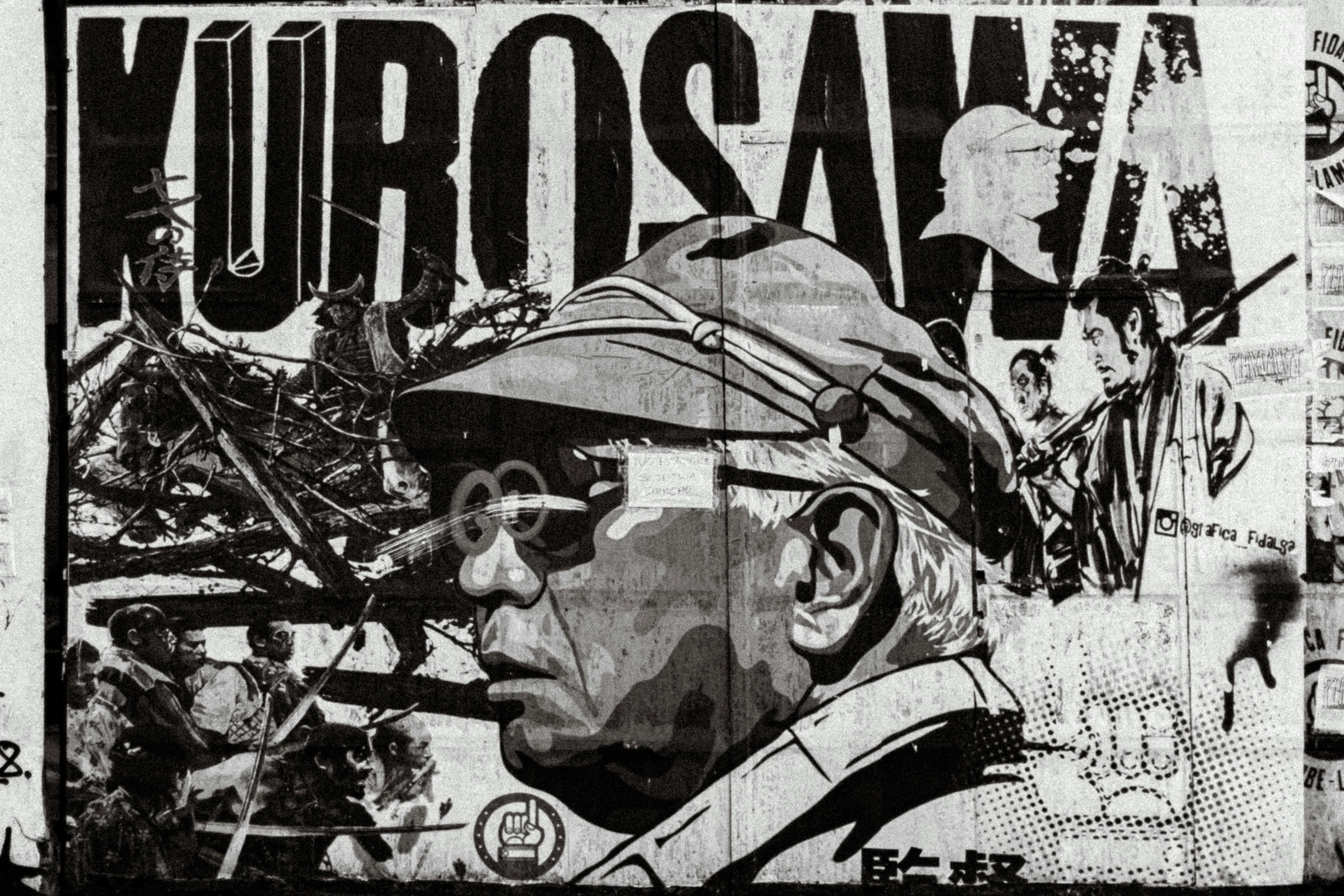
Visual Composition and Its Global Impact: Lessons from Kurosawas Aesthetic
Akira Kurosawa’s films are a masterclass in visual storytelling, with a profound impact on directors across the globe. His meticulous approach to composition creates a visual language that transcends cultural boundaries, offering a universal appeal. Kurosawa’s use of elements such as movement, symmetry, and contrast demonstrates an understanding of how images can evoke emotion and convey narrative depth without relying solely on dialogue.
- Dynamic Framing: Kurosawa often employed dynamic framing to guide the viewer’s eye, enhancing the narrative through carefully constructed shots.
- Weather as a Character: The use of rain, wind, and fog in his films adds layers of meaning, creating atmosphere and tension.
- Geometric Precision: His scenes are often arranged with geometric precision, using lines and shapes to create balance and harmony.
These techniques have influenced a myriad of filmmakers, from George Lucas to Christopher Nolan, who have adopted and adapted Kurosawa’s aesthetic principles to enrich their own cinematic visions. The global film industry continues to draw inspiration from his unparalleled ability to blend visual artistry with storytelling.

Incorporating Kurosawa’s Legacy: Strategies for Emerging Directors
For emerging directors seeking to harness the genius of Akira Kurosawa, understanding his artistic approach offers invaluable insights. Embrace bold storytelling: Kurosawa was renowned for his ability to weave intricate narratives with universal themes. Directors can start by crafting stories that resonate on multiple levels, focusing on character depth and moral dilemmas. Master visual composition: Kurosawa’s use of dynamic framing and movement is legendary. Experiment with camera angles and movements to enhance the emotional impact of scenes, drawing inspiration from his meticulous attention to detail.
- Explore cultural influences: Kurosawa often integrated elements from Western literature and cinema, creating a unique fusion. Emerging directors can enrich their work by blending diverse cultural motifs, offering fresh perspectives.
- Utilize weather as a narrative device: Kurosawa famously used rain, wind, and fog to accentuate mood and tension. Consider how environmental factors can be employed creatively to elevate storytelling.
- Prioritize collaboration: Kurosawa’s strong relationships with his cast and crew fostered a cohesive vision. Cultivating a collaborative environment can lead to more authentic and impactful filmmaking.