In the shadowy realm of cinema, few genres captivate and unsettle audiences as profoundly as horror. With its power to evoke visceral fear and psychological unease, horror films offer a unique exploration of our deepest anxieties and primal fears. This analytical exploration delves into the top horror films that transcend mere jump scares, offering a masterclass in tension and storytelling that will keep you wide-eyed long after the credits roll. By examining the thematic depth, innovative techniques, and cultural impact of these cinematic masterpieces, we uncover why these films continue to haunt the imagination and redefine the boundaries of fear.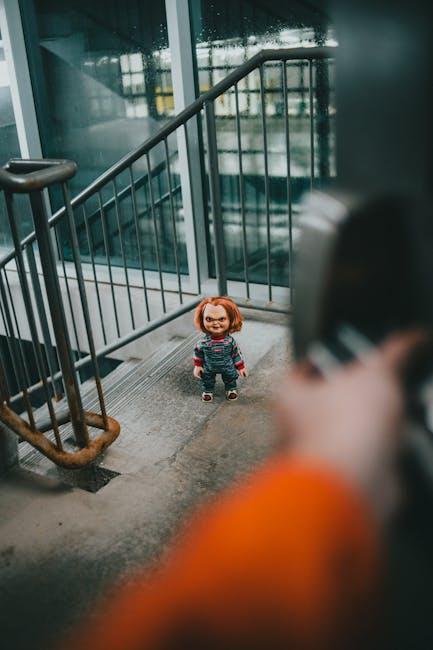
Masterpieces of Psychological Terror
Delve into the shadowy realms of the mind with films that masterfully weave psychological terror into their narratives. These cinematic gems leave an indelible mark on the psyche, blending unsettling atmospheres with complex character studies. The subtle horrors lurking within these films are not just in the visuals but in the pervasive sense of dread that lingers long after the credits roll.
- The Shining: Stanley Kubrick‘s adaptation of Stephen King’s novel is a quintessential exploration of isolation and madness. The Overlook Hotel, with its hauntingly empty corridors and eerie silence, becomes a character in its own right, amplifying Jack Torrance’s descent into insanity.
- Black Swan: Darren Aronofsky crafts a mesmerizing tale of ambition and duality, where the line between reality and delusion blurs. Natalie Portman’s portrayal of Nina Sayers spirals into a chilling metamorphosis, echoing the destructive pursuit of perfection.
- Hereditary: Ari Aster’s debut feature is a masterclass in familial horror, exploring themes of grief and inherited trauma. The slow unraveling of the Graham family is depicted with a relentless intensity that unsettles and terrifies.
Each of these films employs psychological horror to dissect the human condition, challenging viewers to confront their deepest fears. The narratives are woven with precision, ensuring that the true terror lies not in what is seen, but in what is felt.
Exploring Cinematic Techniques that Amplify Fear
Delving into the heart of what makes horror films truly spine-chilling, cinematic techniques play a pivotal role in amplifying fear and keeping audiences on the edge of their seats. Directors use a blend of visual and auditory elements to craft an atmosphere that lingers long after the credits roll. One of the most effective tools is the use of lighting. Shadows and dimly lit scenes can create a sense of unease, allowing the imagination to run wild with what might be lurking just out of sight. This manipulation of light can transform an ordinary setting into a realm of terror.
Another powerful technique is sound design. The strategic use of silence, sudden loud noises, and eerie soundtracks can heighten tension and provoke a visceral response. For instance, a creaking floorboard or a distant whisper can evoke dread, making viewers hyper-aware of every sound. Directors also employ camera angles and movement to disorient and immerse the audience. Unconventional angles or shaky camera work can mimic the characters’ fear, pulling viewers into their world of anxiety and uncertainty.
- Lighting: Shadows, dim settings
- Sound Design: Silence, loud noises, eerie music
- Camera Techniques: Unusual angles, shaky movements
Unforgettable Characters that Haunt Your Dreams
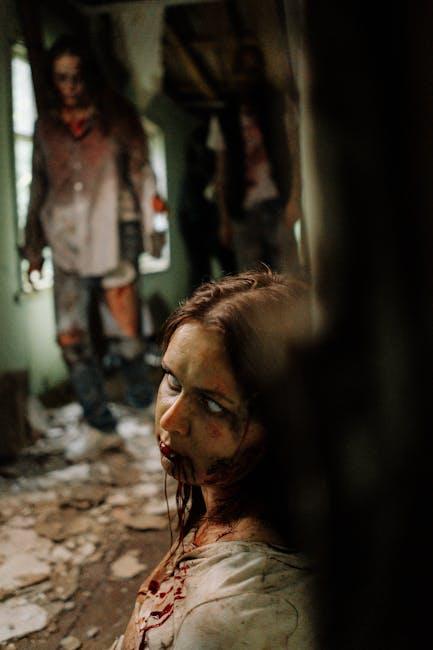
In the chilling realm of horror cinema, certain figures leave an indelible mark on the psyche, lurking in the shadows long after the credits roll. These unforgettable characters are masterfully crafted to evoke fear and fascination, transcending their fictional confines to haunt our dreams. Freddy Krueger, with his iconic bladed glove and burnt visage, transforms the dreamscape into a terrifying battleground, reminding us that sleep offers no sanctuary. Pennywise the Dancing Clown, with his sinister charm and shape-shifting terror, preys on the innocence of childhood fears, making the sewers of Derry a place of unrelenting dread.
- Samara Morgan – Emerging from the well with a chilling gaze, she turns the mundane act of watching a videotape into a countdown to doom.
- Hannibal Lecter – With his cultured demeanor and chilling intellect, he blurs the line between sophistication and savagery, a monster hidden behind a facade of civility.
- Michael Myers – The embodiment of relentless evil, his silent pursuit under a pale mask transforms the suburban streets into a nightmare landscape.
These characters, with their distinct personas and chilling narratives, exemplify the genre’s power to tap into our deepest fears. They remain etched in our minds, a testament to the artistry of horror storytelling.

Soundtracks That Heighten the Horror Experience
The auditory dimension of horror films can transform mere suspense into sheer terror. Soundtracks play a pivotal role in elevating the eerie atmosphere, often becoming as iconic as the films themselves. A haunting score can linger in the mind long after the credits roll, making it an indispensable element in the horror genre.
- “Psycho” by Bernard Herrmann: The shrieking strings in the infamous shower scene are enough to make anyone wary of curtain rods.
- “Halloween” by John Carpenter: Its minimalist, repetitive piano theme has become synonymous with the lurking presence of Michael Myers.
- “The Exorcist” by Mike Oldfield: The chilling “Tubular Bells” theme complements the film’s unsettling narrative, enhancing its psychological impact.
These scores not only underscore the terror on screen but also create an immersive experience that resonates with audiences, solidifying their place in horror history.