In the realm of cinematic storytelling, few elements wield as much power as lighting, a tool that can transform a scene from mundane to mesmerizing. Alejandro González Iñárritu’s “The Revenant” stands as a testament to this transformative power, where the meticulous use of natural lighting not only enhances the visual splendor but also grounds the film in a visceral realism. This article delves into the critical role lighting plays in “The Revenant,” examining how its strategic application elevates the narrative, immersing audiences in the unforgiving wilderness and the harrowing journey of survival. Through an analytical lens, we uncover the nuanced interplay between light and shadow that breathes authenticity into the film’s haunting landscapes and raw human emotion.
Natural Light as a Tool for Authenticity
In The Revenant, natural light plays a pivotal role in crafting the film’s immersive realism. Director Alejandro González Iñárritu and cinematographer Emmanuel Lubezki made the bold choice to rely almost exclusively on natural lighting, embracing the unpredictable elements of nature. This decision was not merely aesthetic but strategic, enhancing the film’s authenticity by aligning the visual narrative with the raw, unfiltered experiences of the protagonist.
- Atmospheric Depth: Natural light variations create a dynamic atmosphere, capturing the subtle shifts in time and mood.
- Emotional Resonance: The interplay of shadows and highlights mirrors the internal struggles of the characters, adding layers of emotional depth.
- Textural Realism: The use of natural light accentuates the textures of the environment, from the rugged landscapes to the intricate details of costumes.
By harnessing the unpredictable qualities of natural light, the film achieves a level of realism that resonates with audiences, grounding its epic narrative in a tangible world. This approach underscores the film’s commitment to authenticity, making each frame a testament to the harsh beauty of the natural world.

Chiaroscuro and the Play of Shadows
The use of chiaroscuro in The Revenant is masterful, creating a dynamic interplay between light and shadow that enhances the film’s gritty realism. This technique, reminiscent of Renaissance paintings, is pivotal in conveying the harshness and beauty of the untamed wilderness. By manipulating light, the filmmakers craft scenes where shadows are not merely a backdrop but an active participant in storytelling. The contrast between illuminated and dark areas emphasizes the isolation and struggle of the protagonist, immersing the audience in his relentless journey.
Consider these key aspects of chiaroscuro’s impact in the film:
- Atmospheric Depth: Shadows add layers to the visual narrative, providing a sense of depth and dimension that mirrors the complexity of the human experience.
- Emotional Resonance: The play of shadows accentuates emotional moments, highlighting the character’s inner turmoil and resilience.
- Realism and Texture: The nuanced lighting choices reveal the textures of the natural environment, making the cold, harsh landscapes feel palpably real.
Enhancing Emotional Depth Through Illumination
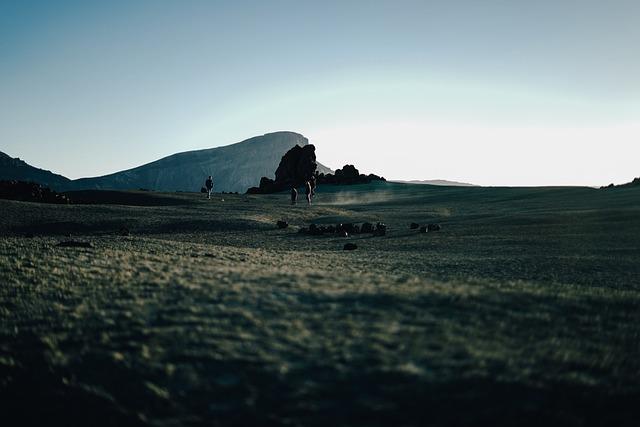
The use of lighting in The Revenant serves as a pivotal tool in crafting its emotional landscape. Director Alejandro González Iñárritu and cinematographer Emmanuel Lubezki harness natural light to enhance the film’s visceral realism, immersing the audience in the unforgiving wilderness. The choice to rely on natural sources—sunlight, fire, and moonlight—creates an authenticity that artificial lighting could never replicate. This approach underscores the protagonist’s isolation and struggle, with shadows and highlights painting a raw, tangible portrait of survival.
- Natural Light: Emphasizes the harshness of the environment, reflecting the character’s internal turmoil.
- Golden Hour Shots: Utilize the warmth and fleeting beauty of sunset and sunrise, symbolizing moments of hope and introspection.
- Firelight: Provides a stark contrast against the cold, often illuminating moments of vulnerability and introspection.
By manipulating these elements, the film crafts a sensory experience that resonates on a deeply emotional level. This meticulous attention to illumination not only enhances the narrative but also elevates the viewer’s connection to the protagonist’s journey, making each frame a powerful testament to the story’s emotional depth.

Recommendations for Achieving Realism in Cinematic Lighting
To achieve the kind of realism seen in The Revenant, filmmakers should focus on a few key lighting strategies. Firstly, natural light should be the cornerstone of any scene. Using the sun as the primary light source can lend authenticity, but it also requires meticulous planning to capture the right angles and intensities. Consider the time of day and weather conditions, as these can dramatically affect the mood and tone of a scene.
- Golden Hour: Utilize the soft, diffused light during sunrise or sunset to create a warm, natural glow.
- Cloud Cover: Overcast skies can act as a natural diffuser, providing even, shadowless light.
Additionally, minimal artificial lighting can enhance realism by complementing natural sources rather than overpowering them. When artificial lights are necessary, employ techniques such as bounce lighting or low-intensity LED panels to maintain a subtle and unobtrusive effect. Remember, the goal is to support the narrative with lighting that feels organic and immersive.