In the realm of modern television, “The Witcher” stands as a testament to the seamless fusion of practical effects and CGI, crafting a fantasy world that captivates and convinces. As audiences traverse the Continent alongside Geralt of Rivia, they are enveloped in a meticulously constructed universe where the tangible and the digital coalesce. This article delves into the sophisticated techniques and creative decisions that underpin the series’ visual storytelling, examining how the blend of real-world craftsmanship and cutting-edge technology elevates the narrative, immersing viewers in a landscape both fantastical and palpably real. Through an analytical lens, we explore the intricate dance between practical effects and CGI that defines “The Witcher’s” unique aesthetic, setting a new standard for fantasy adaptations.
Mastering the Art of Seamless Integration
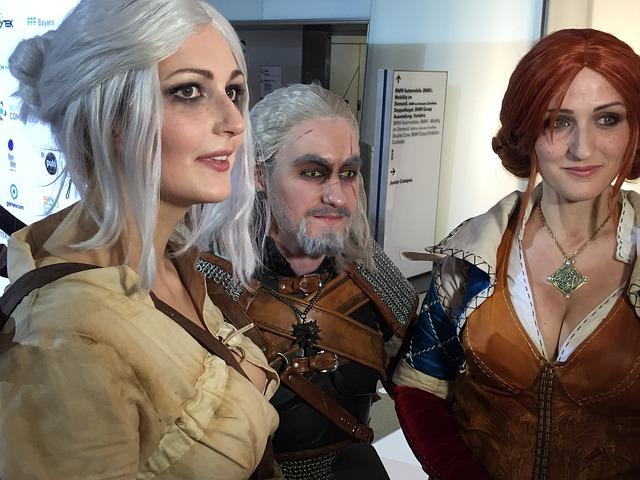
The genius behind The Witcher‘s captivating visuals lies in its meticulous fusion of practical effects and CGI. This synergy is not merely about overlaying digital elements onto physical scenes but about creating a coherent, immersive world that feels both tangible and fantastical. Practical effects offer a tactile authenticity—consider the intricate costumes and handcrafted props that actors interact with. These elements provide a grounded foundation, allowing the audience to connect with the physicality of the world.
CGI, on the other hand, expands the boundaries of reality, introducing mythical creatures and expansive landscapes that practical effects alone could not achieve. The key to their seamless integration lies in attention to detail and timing. Visual effects artists ensure that CGI elements respect the lighting and physical constraints of the real-world environment, while practical effects teams meticulously craft props that complement and enhance digital enhancements. Together, they form a cohesive visual narrative, creating a rich tapestry that blurs the line between reality and imagination.
- Attention to detail: Ensures CGI respects real-world physics.
- Collaborative design: Synchronizes physical and digital elements.
- Dynamic storytelling: Blends visuals to enhance narrative depth.
Crafting Realism: Practical Effects in Creature Design
The art of crafting believable creatures lies in the delicate balance between practical effects and cutting-edge CGI. In “The Witcher,” this synergy is pivotal to immersing viewers in a world where the fantastical feels palpably real. Practical effects provide the tactile authenticity that CGI alone often struggles to achieve. Costume designers and special effects artists collaborate to create intricate prosthetics and animatronics, offering actors tangible counterparts to interact with. This approach not only enhances performance but grounds the viewer in the scene, making the fantasy elements more relatable and less like digital apparitions.
- Textured realism: Practical effects add depth with detailed textures and shadows that CGI replicates.
- Actor interaction: Physical elements allow actors to engage more naturally, enhancing believability.
- Enhanced atmosphere: Practical effects contribute to the ambient authenticity, making environments feel lived-in.
When integrated with CGI, these practical components come to life, blending seamlessly with digital enhancements. This combination creates a dynamic visual language that respects the source material’s essence while embracing modern technology. “The Witcher” exemplifies how the marriage of these techniques can elevate storytelling, creating a fantasy world that feels both ancient and immediate.
Digital Sorcery: Enhancing Visuals with CGI
In the realm of fantasy storytelling, the seamless fusion of practical effects with CGI can create worlds that are both believable and awe-inspiring. The Witcher exemplifies this blend, using digital artistry to enhance rather than overshadow its tangible elements. By integrating CGI with on-set effects, the series crafts creatures and landscapes that feel palpably real, while still maintaining the magical essence intrinsic to its universe.
Key techniques include:
- Layered Compositing: Combining real footage with CGI layers to create depth and texture.
- Dynamic Lighting: Using CGI to adjust lighting in post-production, ensuring consistency with practical effects.
- Creature Animation: Enhancing prosthetic suits and animatronics with digital enhancements for fluidity and realism.
By marrying these elements, The Witcher not only captivates its audience but also sets a benchmark in modern fantasy visual storytelling.
Balancing Techniques: Achieving Immersive Storytelling
In the crafting of The Witcher, the creators employed a meticulous balance between practical effects and CGI, ensuring the fantasy world felt both tangible and enchanting. This blend was achieved by adhering to a few key techniques:
- Strategic Use of Practical Effects: By utilizing real-world props and costumes, the series grounded its fantastical elements. The tactile nature of these effects provided actors with a genuine environment, enhancing their performances and making the magic feel authentic.
- Seamless CGI Integration: Instead of overwhelming scenes with digital effects, CGI was used to complement and enhance practical elements. This approach maintained the visual integrity of the world, ensuring that digital creatures and environments felt like a natural extension of the physical sets.
By thoughtfully balancing these techniques, The Witcher achieved an immersive storytelling experience that captivated audiences and set a new standard for fantasy adaptations.