In the realm of cinematic storytelling, space films have long captivated audiences with their blend of adventure, wonder, and the unknown. Yet, among these cosmic narratives, Alfonso Cuarón‘s “Gravity” stands out, not merely for its breathtaking visuals and gripping plot, but for its commitment to realism. As we delve into the intricacies of this acclaimed film, we must ask: Is “Gravity” the most realistic space movie ever made? This analysis will explore the film’s adherence to scientific principles, its portrayal of space as an unforgiving frontier, and the meticulous attention to detail that sets it apart in a genre often dominated by fantasy. With a confident lens, we will dissect the elements that contribute to its authenticity, examining whether ”Gravity” truly holds the title of the most realistic depiction of space on screen.
Realism in Space: Analyzing Gravitys Scientific Accuracy
The film “Gravity” stands out for its commitment to portraying space with a degree of realism that is rare in Hollywood. One of the most striking aspects is its depiction of zero gravity. The film meticulously illustrates the physics of motion in space, where objects continue to move indefinitely unless acted upon by another force. This adherence to Newtonian physics is a refreshing departure from the typical cinematic liberties taken in space films.
- Orbital Dynamics: The movie captures the complexities of orbital mechanics, particularly how objects can be in constant free fall, creating the illusion of weightlessness.
- Debris Hazards: The depiction of space debris causing catastrophic damage aligns with real-world concerns highlighted by NASA and other space agencies.
- Spacewalk Accuracy: The film’s portrayal of spacewalks, including the use of tethers and thrusters, reflects the genuine challenges astronauts face.
However, it’s not without its flaws. Some scenarios, such as the ease of moving between space stations, are dramatized for narrative effect. Despite these embellishments, “Gravity” succeeds in grounding its thrilling story in a scientifically plausible reality, setting a high bar for future space films.
Visual Mastery: How Gravity Captures the Vastness of Space
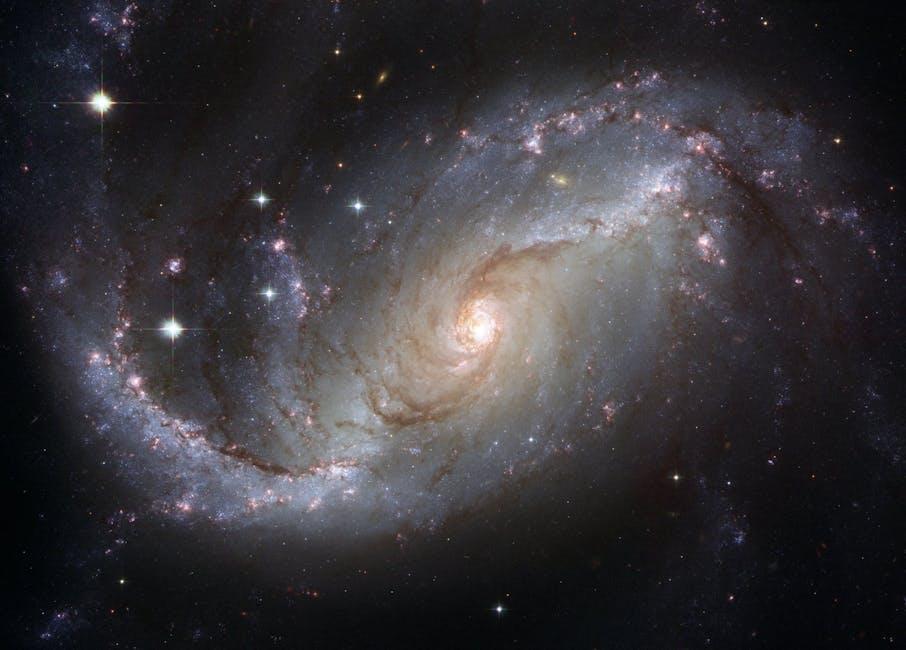
Alfonso Cuarón’s Gravity is a cinematic tour de force that immerses viewers in the boundless expanse of space with unprecedented realism. Through meticulous attention to detail, the film captures the vastness of the cosmos, making audiences feel the awe and terror of being adrift in the infinite void. The visual effects team employed groundbreaking technology to simulate the weightlessness and vast emptiness of space, resulting in a visceral experience that blurs the line between fiction and reality.
- Innovative Cinematography: The use of long, continuous shots creates a seamless experience, enhancing the feeling of being in zero gravity.
- Realistic Depiction of Space: The film’s portrayal of orbital debris and the sheer silence of space is both scientifically accurate and dramatically effective.
- Immersive Sound Design: By contrasting silence with the sounds transmitted through vibrations, the film underscores the isolation of space travel.
These elements collectively craft an experience that not only captures the vastness of space but also evokes the profound insignificance of humanity within it. The film’s visual mastery lies in its ability to make the audience feel as though they are part of this overwhelming and majestic universe.

Emotional Depth: Exploring Human Experience in Gravity
The film ”Gravity” delves into the profound emotional journey of its characters, transcending the typical confines of a space thriller. The narrative is not just about survival in the void of space; it is a metaphorical exploration of grief, resilience, and rebirth. Dr. Ryan Stone, portrayed by Sandra Bullock, grapples with her own internal gravity—a heavy heart burdened by personal loss. Her journey is as much about overcoming this emotional weight as it is about navigating the perilous environment of space.
- Isolation and Connection: The vast emptiness of space mirrors Stone’s internal solitude, yet her connection with astronaut Matt Kowalsky highlights the human need for companionship.
- Fear and Courage: The film explores the oscillation between fear and bravery, showcasing how moments of vulnerability can lead to profound strength.
- Life and Rebirth: The narrative arc symbolizes a journey from despair to hope, echoing the cyclical nature of life and the possibility of renewal.
By weaving these themes into its storyline, “Gravity” achieves an emotional resonance that enhances its realistic portrayal of human experience, making it a standout in the genre of space cinema.
Crafting the Narrative: Lessons from Gravity for Future Filmmakers
Alfonso Cuarón’s Gravity is a masterclass in visual storytelling, offering filmmakers profound insights into crafting compelling narratives. One key lesson lies in its ability to maintain tension through minimalistic dialogue and a tightly woven plot. The film relies heavily on visual cues and the immersive power of silence, allowing the audience to experience the vast emptiness of space alongside the characters. This approach encourages filmmakers to explore the potential of visual elements to drive the story forward, creating a visceral connection with the audience.
Furthermore, Gravity demonstrates the importance of technical precision and realism in filmmaking. Cuarón’s meticulous attention to detail, from the zero-gravity effects to the depiction of space debris, grounds the narrative in authenticity. For future filmmakers, the film offers valuable lessons in balancing technical accuracy with creative storytelling. Key takeaways include:
- Integration of technology: Use cutting-edge technology to enhance realism without overshadowing the narrative.
- Emotional core: Anchor the spectacle in human emotion to maintain audience engagement.
- Minimalism: Embrace simplicity in dialogue and setting to amplify tension and focus.