In Alejandro González Iñárritu’s visceral masterpiece, “The Revenant,” nature emerges not merely as a backdrop but as a formidable character that shapes the narrative of survival. This film, renowned for its breathtaking cinematography and raw performances, intricately weaves the harsh, untamed wilderness into the very fabric of its storytelling. Through an analytical lens, we explore how the relentless forces of nature serve as both adversary and ally to Hugh Glass, the protagonist, illustrating a profound tale of resilience and the primal human instinct to endure. By examining the interplay between character and environment, this article delves into how “The Revenant” transforms the natural world into a powerful narrative device, reflecting the indomitable spirit of survival against overwhelming odds.
Nature as a Character: The Untamed Wilderness in The Revenant
In “The Revenant,” nature transcends its role as mere backdrop, evolving into a formidable entity that challenges and shapes the protagonist, Hugh Glass. The wilderness is portrayed not only as a physical landscape but as a living, breathing character with its own intentions. It presents both a sanctuary and a relentless adversary, pushing Glass to his limits while offering moments of reflection and resilience.
- Relentless Weather: The harsh winter conditions are unforgiving, testing Glass’s endurance and will to survive.
- Imposing Terrain: The rugged mountains and dense forests create a labyrinthine world that Glass must navigate, symbolizing his internal struggle.
- Wildlife Encounters: From the infamous bear attack to the wolves circling a bison carcass, these interactions highlight the raw, untamed essence of the wild.
By making nature an active participant in the narrative, “The Revenant” crafts a visceral experience where survival is not just a battle against human foes but a profound journey through an untamed world that is as beautiful as it is brutal.

The Cinematic Language of Survival: Visual Storytelling Techniques
In “The Revenant,” the stark, unforgiving landscapes are not merely a backdrop but a crucial element of the film’s narrative, reflecting the protagonist’s harrowing journey. The use of long, unbroken shots captures the vastness of the wilderness, immersing the audience in a world where nature is both an adversary and a sanctuary. This technique emphasizes the isolation and struggle for survival, where every frame is charged with raw, visceral energy.
- Natural Lighting: Director Alejandro González Iñárritu employs natural light to enhance authenticity, creating a visual dialogue between man and environment.
- Camera Movement: Fluid, dynamic camera movements mirror the relentless motion of survival, pulling viewers into the heart of each scene.
- Symbolic Imagery: The recurring motifs of rivers and forests symbolize both obstacles and pathways, echoing the dual nature of survival.
Through these techniques, “The Revenant” crafts a compelling narrative where nature is a silent character, shaping the story’s tension and resolution. The film’s visual storytelling is a testament to the power of cinema to convey complex themes without uttering a single word.
Emotional Landscapes: How Nature Reflects Inner Turmoil
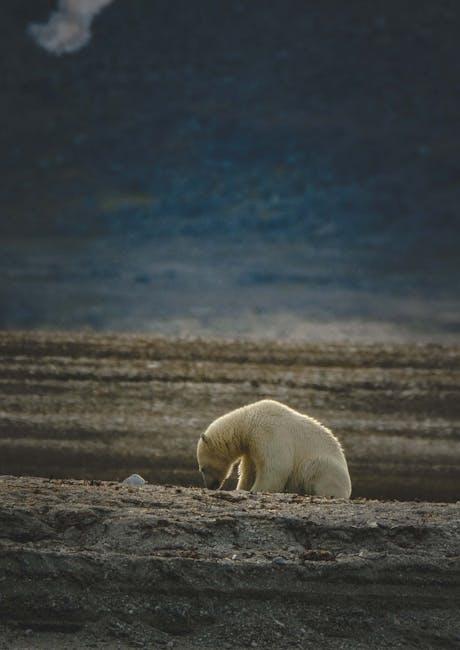
In The Revenant, the unforgiving wilderness serves as a mirror to Hugh Glass’s internal struggle. The vast, unyielding landscapes echo his emotional turmoil, transforming nature into a silent yet profound character in the narrative. The relentless cold and sprawling forests are not just backdrops but symbolic representations of Glass’s isolation and despair. As he battles the elements, each storm and river crossing becomes a reflection of his inner chaos, amplifying the raw intensity of his quest for survival.
Key elements of nature’s reflection in the film include:
- Raging rivers – Symbolize the turbulent emotions and obstacles Glass faces.
- Endless snowfields – Represent the cold, desolate feeling of loss and betrayal.
- Majestic mountains – Stand as both barriers and beacons of resilience and hope.
Through these elements, the film crafts a visceral experience where the environment is intertwined with the protagonist’s psyche, highlighting how survival is as much a mental battle as it is a physical one.

Practical Lessons in Survival: Insights from the Natural World
In “The Revenant,” the raw, untamed wilderness becomes a silent yet formidable character, providing both obstacles and resources in the protagonist’s journey. The film leverages the natural world to convey a visceral narrative of survival, where every element—from the icy rivers to the towering pines—serves as a teacher and a test. Nature’s harsh beauty is depicted not just as a backdrop, but as a crucible where the limits of human endurance are relentlessly challenged and expanded.
- Adaptation: The protagonist learns to adapt to the unpredictable climate, using the environment to his advantage while respecting its power.
- Resourcefulness: The scarcity of resources pushes him to innovate, using every available natural element creatively for sustenance and shelter.
- Resilience: The harsh conditions serve as a testament to human resilience, highlighting the will to survive against overwhelming odds.
Through these lessons, the film illustrates a profound symbiosis between man and nature, suggesting that survival is not about conquering the environment but learning to exist within it.