In the realm of cinematic innovation, few achievements stand as monumental as the creation of Gollum in Peter Jackson‘s “The Lord of the Rings” trilogy. This character, with his tortured duality and lifelike presence, owes much of his impact to the groundbreaking use of motion capture technology. As audiences were drawn into Middle-earth, they encountered a creature that was both fantastical and deeply human, a testament to the seamless integration of performance and digital artistry. This article delves into the analytical depths of how motion capture not only brought Gollum to life but also redefined the possibilities of character portrayal in film. Through a confident exploration of the techniques and technologies employed, we uncover the intricate dance between actor and animation that set a new standard for storytelling in the digital age.
Revolutionizing Character Animation through Motion Capture
The portrayal of Gollum in The Lord of the Rings marked a pivotal moment in cinematic history, showcasing the transformative power of motion capture technology. By capturing the nuanced performance of actor Andy Serkis, the filmmakers were able to breathe life into a complex character that seamlessly blended into the live-action environment. This process involved several key innovations:
- Performance Capture: Utilizing a sophisticated array of sensors, Serkis’s every movement was meticulously recorded, allowing animators to map his performance onto the digital Gollum model with unparalleled precision.
- Facial Expression Mapping: Advanced facial recognition techniques captured the subtle shifts in Serkis’s expressions, ensuring that Gollum’s emotions were both believable and impactful.
- Integration with Live-Action: The seamless integration of motion capture data with live-action footage allowed Gollum to interact convincingly with real-world elements, enhancing the film’s realism.
This innovative approach not only set a new standard for character animation but also demonstrated the potential of motion capture to revolutionize storytelling in cinema. The success of Gollum paved the way for future projects, proving that digital characters could evoke genuine emotional responses from audiences.
The Role of Andy Serkis: Transforming Performance Art
Andy Serkis redefined performance art by blending traditional acting with cutting-edge technology, transforming how characters are brought to life on screen. His portrayal of Gollum in The Lord of the Rings is a testament to this innovation. By donning a motion capture suit, Serkis infused the character with a depth and realism that transcended mere animation. This method allowed him to convey Gollum’s complex emotions and physicality with an authenticity that resonated with audiences worldwide.
- Emotional Depth: Serkis’s ability to express intricate emotions through facial capture was groundbreaking.
- Physicality: His physical performance provided a tangible presence that traditional CGI lacked.
- Innovation: Pioneered a new era of digital acting, setting a standard for future performances.
Serkis’s work not only elevated the character of Gollum but also paved the way for the integration of motion capture in modern filmmaking. His artistry demonstrated that technology, when harnessed with skill and creativity, can enhance rather than overshadow the human element of storytelling.

Technological Innovations in Motion Capture for Film
The portrayal of Gollum in The Lord of the Rings marked a groundbreaking moment in cinematic history, primarily due to advancements in motion capture technology. This innovative approach allowed for a seamless blend of human performance and digital animation, creating a character that was both believable and captivating. Motion capture technology was utilized to capture the intricate movements and expressions of actor Andy Serkis, who donned a specialized suit equipped with sensors. These sensors recorded his every motion, from subtle facial expressions to dynamic body movements, translating them into digital data that animators could use to craft Gollum’s lifelike appearance.
Key technological advancements included:
– Facial capture systems that recorded nuanced expressions, enabling animators to replicate the emotional depth of Serkis’s performance.
– Real-time feedback allowing directors and actors to see how the digital character would move and interact within the scene.
– Advanced software that integrated these elements, ensuring fluid and realistic motion.
This meticulous process not only elevated the character of Gollum but also set a new standard for character animation in film, influencing countless productions that followed.
Integrating Digital and Physical Performance for Realism
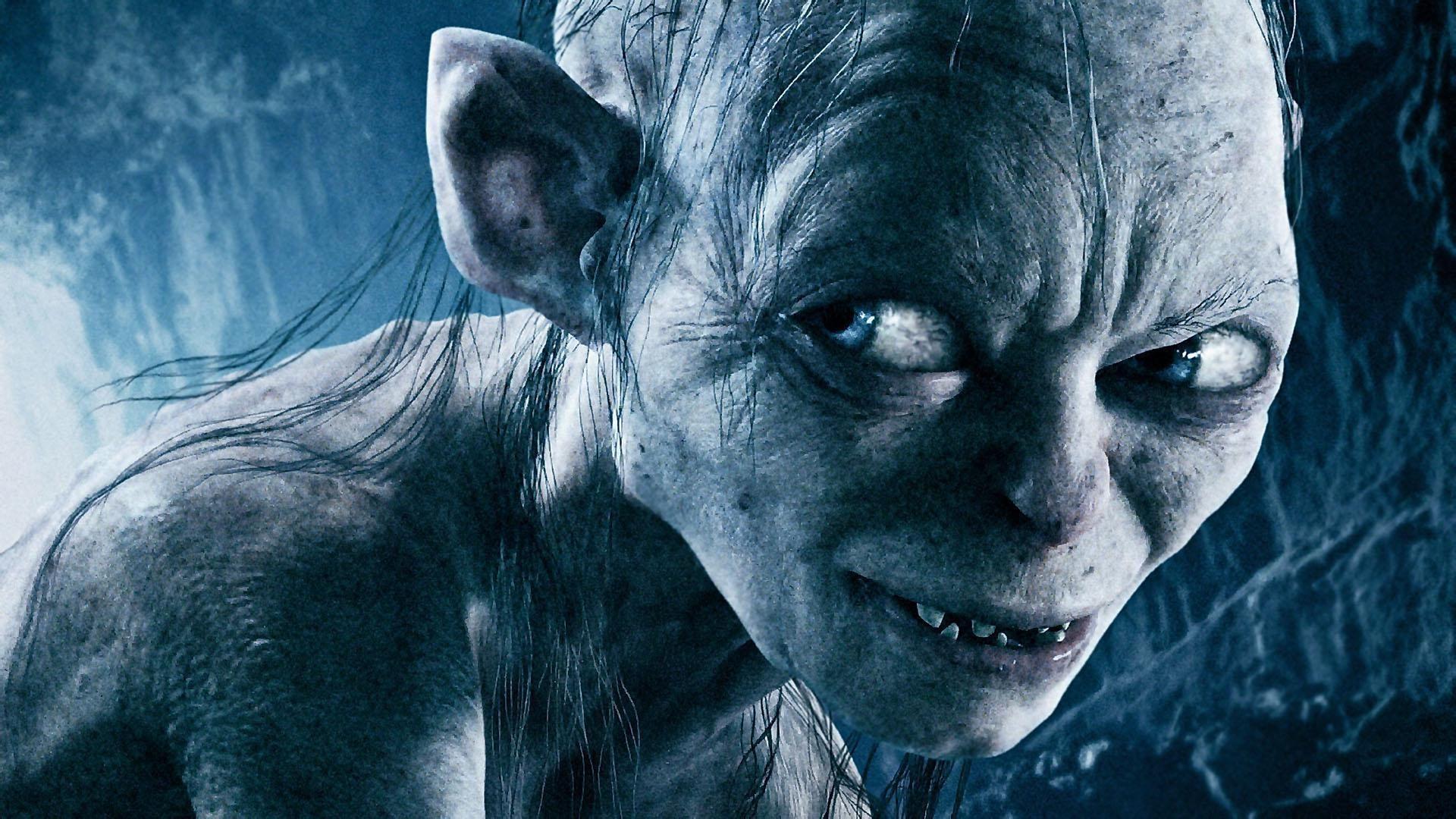
The seamless blend of digital and physical performance was pivotal in bringing Gollum to life with striking realism. Andy Serkis, the actor behind Gollum, employed a groundbreaking approach by combining traditional acting with cutting-edge technology. His performance was captured using motion capture technology, which meticulously recorded his every move and facial expression. This data was then translated into the digital realm, allowing animators to create a character that felt both tangible and emotive.
- Detailed Movement: The precision of motion capture enabled animators to replicate Serkis’s nuanced movements, ensuring Gollum’s physicality was lifelike.
- Emotional Depth: By capturing subtle facial expressions, the technology conveyed Gollum’s complex emotions, adding layers to his personality.
- Consistent Integration: The integration of digital and physical elements was consistent throughout the trilogy, maintaining the character’s continuity and believability.
This fusion of technology and artistry not only set a new standard for character animation but also highlighted the potential of motion capture to transform storytelling in cinema.