Alfred Hitchcock’s “Rear Window” stands as a quintessential example of cinematic suspense, a testament to the director’s unparalleled ability to manipulate tension and curiosity. Released in 1954, this masterpiece transforms the confines of a single apartment into a stage for intrigue, voyeurism, and psychological complexity. Hitchcock’s meticulous attention to detail, innovative use of camera angles, and masterful pacing invite viewers to peer into the lives of others, blurring the lines between observer and participant. In this article, we will dissect the elements that make “Rear Window” a timeless study in suspense, exploring how Hitchcock’s visionary techniques continue to captivate and influence filmmakers today.
Crafting Suspense Through Cinematic Techniques
- Framing and Perspective: Hitchcock’s choice of confining the narrative to Jeff’s apartment window creates a claustrophobic tension. The audience is forced to see the world through Jeff’s eyes, enhancing the feeling of isolation and helplessness. This limited perspective heightens the suspense as viewers are left to piece together the mystery with the same restricted view.
- Sound Design: The use of diegetic sound plays a crucial role. The ambient noises from the courtyard—a dog barking, a woman singing, a couple arguing—serve to immerse the audience in the environment. The absence of a traditional score amplifies the realism, making each sound a potential clue or red herring.
- Lighting and Shadows: Hitchcock expertly manipulates lighting to create suspense. Shadows and dim lighting obscure certain details, forcing the audience to question what they see. The interplay of light and dark not only sets the mood but also serves as a visual metaphor for the blurred lines between voyeurism and observation.

Character Isolation and Psychological Depth
Alfred Hitchcock’s Rear Window ingeniously employs character isolation to delve into the psychological intricacies of its protagonist, Jeff. Confined to his apartment due to a broken leg, Jeff becomes a voyeur, observing the lives of his neighbors through his rear window. This physical isolation not only amplifies his sense of detachment but also compels him—and the audience—to confront the depths of human nature. Hitchcock masterfully crafts a narrative where Jeff’s seclusion mirrors his emotional barriers, particularly in his relationship with Lisa. This setup allows for a profound exploration of his internal conflicts and fears, heightened by the suspenseful unfolding of events.
- Confinement as a Catalyst: Jeff’s physical limitations force him to engage with his surroundings in new, unsettling ways, fostering a deep psychological connection with the audience.
- Voyeurism and Insight: The act of watching becomes a metaphor for introspection, allowing viewers to witness Jeff’s transformation from passive observer to active participant.
- Symbolic Neighbors: Each neighbor represents different facets of Jeff’s psyche, offering a rich tapestry of human experience that enhances the film’s psychological depth.
Through this ingenious use of isolation, Hitchcock not only builds suspense but also crafts a nuanced character study, inviting audiences to ponder the thin line between observation and intrusion.
Visual Storytelling and the Power of Perspective
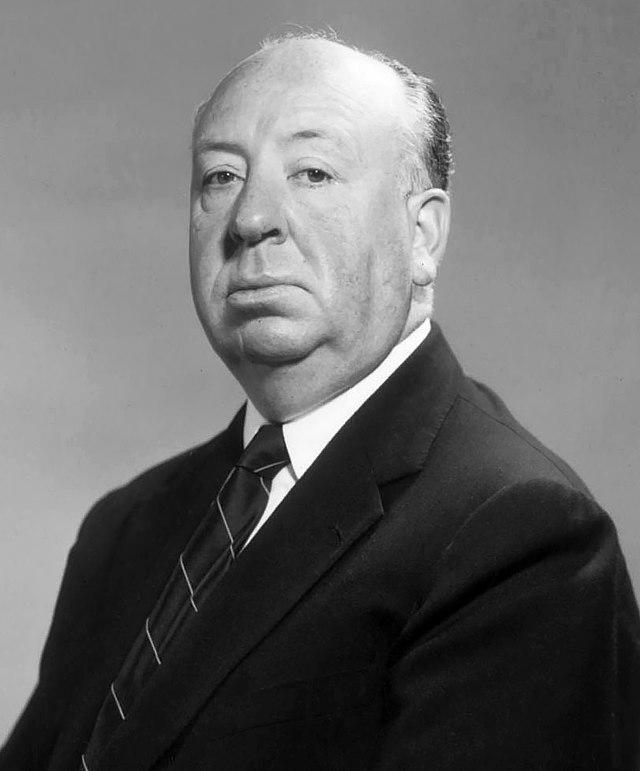
In Hitchcock’s “Rear Window,” the director skillfully employs visual storytelling to immerse the audience in a world defined by perspective. The film’s protagonist, confined to his apartment, becomes both an observer and a participant in the unfolding drama across the courtyard. Hitchcock uses the camera as a surrogate for the viewer’s gaze, creating a sense of voyeurism that is both thrilling and unsettling. This technique not only amplifies the suspense but also invites viewers to question their own role as spectators.
- Restricted Viewpoint: The limited perspective heightens tension, as crucial details remain obscured until the right moment.
- Window Framing: Each window acts as a stage, transforming mundane activities into captivating narratives.
- Lighting and Shadows: Hitchcock uses light to guide attention and create an atmosphere of mystery and intrigue.
By manipulating perspective, Hitchcock turns the ordinary into the extraordinary, crafting a narrative where every glance carries weight and every shadow suggests a secret. This mastery of perspective not only defines “Rear Window” but also sets a benchmark for suspense in cinema.
Tension and Timing: Lessons for Modern Filmmakers
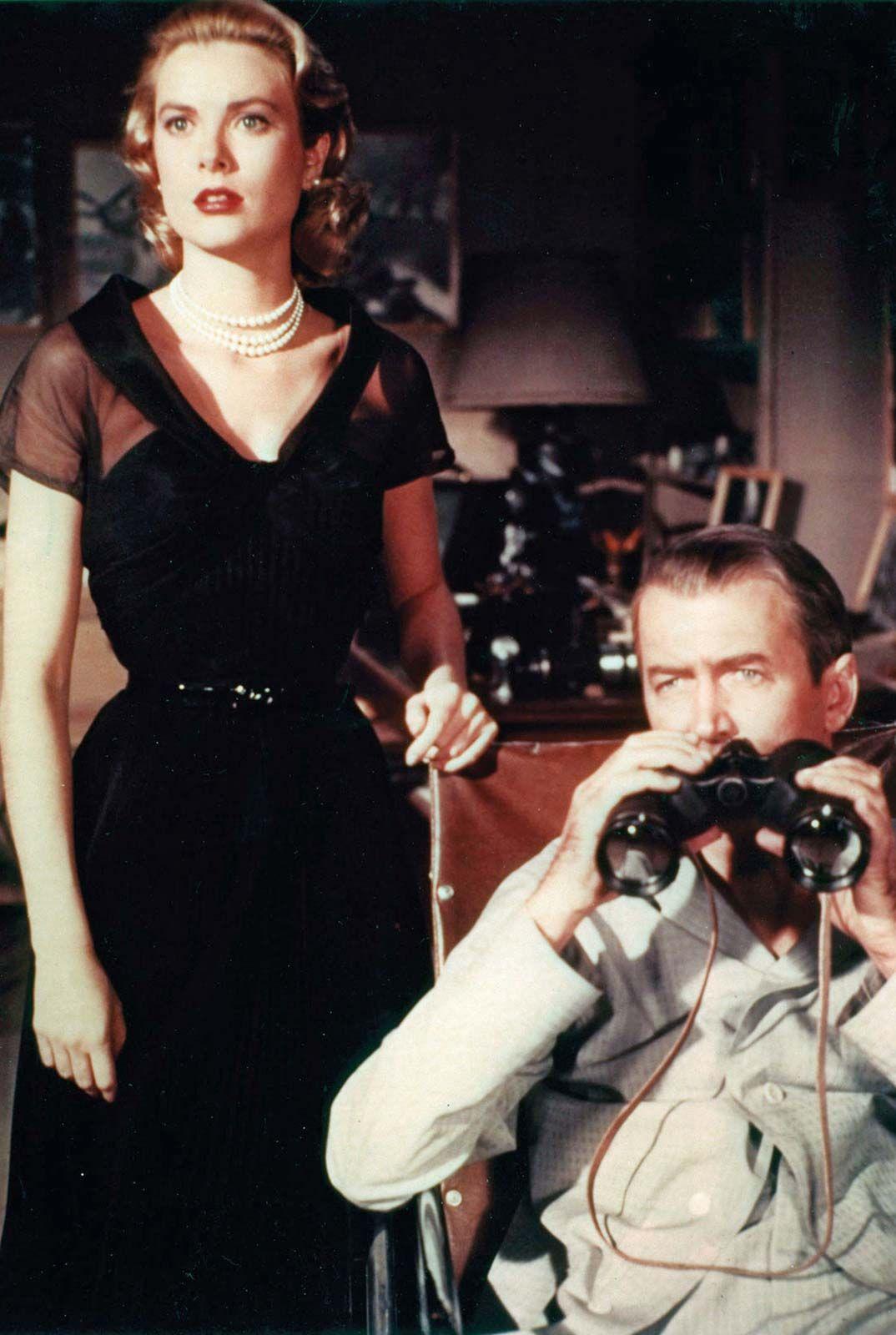
Alfred Hitchcock’s genius in crafting suspense in “Rear Window” offers invaluable insights for today’s filmmakers. Tension in this classic is meticulously constructed through the use of confined spaces and strategic pacing. Hitchcock understood that the audience’s anticipation is heightened when the protagonist, and thus the viewer, is restricted in their movements. This limited perspective forces the audience to focus on minute details, creating a more intense emotional investment.
- Strategic Pacing: Hitchcock mastered the balance between moments of calm and bursts of action. Modern filmmakers can learn to pace their narratives, allowing tension to simmer before delivering climactic revelations.
- Visual Storytelling: The use of camera angles and lighting in “Rear Window” amplifies suspense without relying heavily on dialogue. This technique encourages filmmakers to explore visual cues as powerful storytelling tools.
By manipulating timing, Hitchcock ensures that every scene contributes to an overarching sense of unease, teaching filmmakers the importance of rhythm in storytelling. Understanding the delicate interplay between what is shown and what is withheld can transform a narrative from mundane to mesmerizing.