Christopher Nolan‘s “The Dark Knight” stands as a cinematic tour de force, transcending the superhero genre to deliver a profound exploration of chaos, morality, and duality. Often hailed as Nolan’s magnum opus, this film not only redefined the boundaries of comic book adaptations but also cemented its place in the pantheon of modern classics. Through meticulous direction, a gripping narrative, and Heath Ledger‘s unforgettable portrayal of the Joker, “The Dark Knight” invites audiences to delve into the intricate layers of its storytelling. This article embarks on an analytical journey to uncover why this film is regarded as Nolan’s best work, examining its thematic depth, innovative techniques, and enduring impact on both cinema and culture.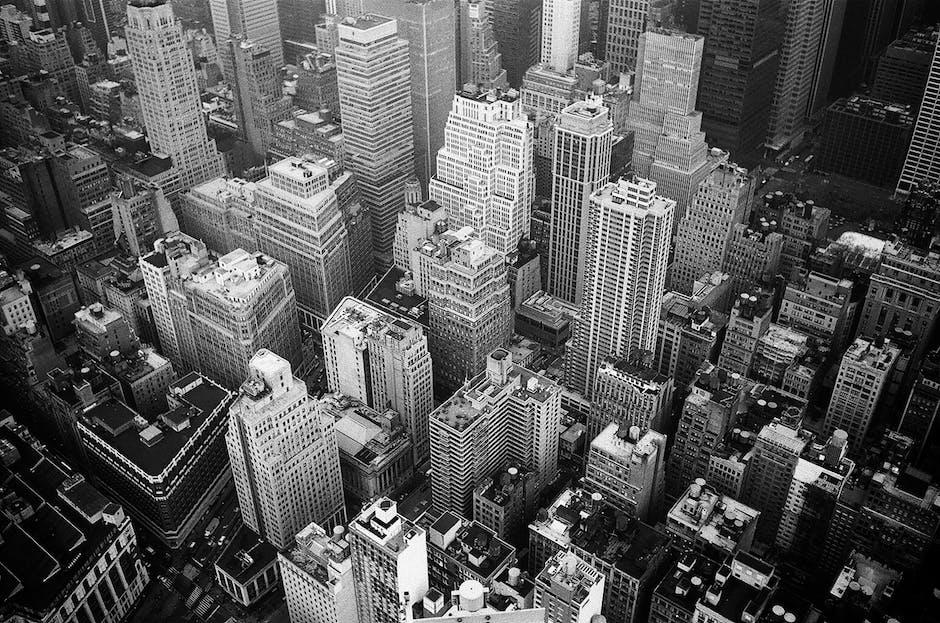
Exploring the Depths of Gotham: Nolans Mastery in World-Building
Christopher Nolan’s Gotham City is a masterclass in world-building, crafted with an attention to detail that elevates it beyond mere backdrop. This sprawling metropolis is not just a setting; it’s a living, breathing entity that influences the narrative and the characters within it. Nolan’s Gotham is a reflection of the themes he explores—chaos, order, and the moral complexities of justice. The city’s architecture, a blend of neo-noir and modernity, mirrors the duality of its protector, Batman, and its inhabitants.
- Atmospheric Depth: Nolan’s use of practical effects and real locations, combined with minimal CGI, grounds Gotham in reality, making its stakes feel tangible.
- Character Integration: The city serves as a crucible for its characters, shaping their identities and choices. The gritty urban landscape challenges Batman’s resolve, pushing him to his limits.
- Thematic Resonance: From the towering skyscrapers to the shadowy alleys, every aspect of Gotham is imbued with thematic significance, enhancing the narrative’s exploration of fear and hope.
Nolan’s Gotham is not merely a backdrop; it is an active participant in the story, a testament to his unparalleled skill in creating immersive worlds that linger long after the credits roll.
Character Complexity: Analyzing the Duality of Batman and Joker
In Christopher Nolan’s masterpiece, the interplay between Batman and the Joker transcends the traditional hero-villain dichotomy, presenting a profound exploration of duality. Batman, with his unwavering moral compass and commitment to justice, represents order and control. His identity is shrouded in shadows, reflecting his internal struggle between vengeance and righteousness. Meanwhile, the Joker embodies chaos and anarchy, a force of nature unbound by societal norms. His unpredictable nature and philosophical musings challenge Batman’s beliefs, pushing the Dark Knight to confront his own limitations.
- Psychological Depth: Batman’s trauma fuels his mission, yet it also leaves him vulnerable to the Joker’s manipulations.
- Philosophical Conflict: The Joker’s nihilistic worldview tests Batman’s ethical boundaries, questioning the very essence of justice.
- Symbiotic Relationship: Their intertwined fates suggest that one cannot exist without the other, each defining the other’s purpose.
This intricate dance of ideologies is what elevates Nolan’s portrayal, crafting characters that are not just archetypes, but reflections of human complexity.

Cinematic Techniques: The Art of Visual Storytelling in The Dark Knight
Christopher Nolan’s mastery of cinematic techniques is vividly showcased in The Dark Knight, where every frame is meticulously crafted to serve the narrative. Nolan employs a variety of visual storytelling methods that enhance the film’s intense atmosphere and complex themes. The use of IMAX cameras for key sequences not only elevates the visual grandeur but also immerses the audience into Gotham’s chaotic world, making the stakes feel palpably real.
Key techniques include:
- Practical Effects: Prioritizing tangible effects over CGI, Nolan creates a sense of realism that grounds the film’s fantastical elements.
- Non-linear Editing: The strategic pacing and cross-cutting keep viewers on edge, mirroring the Joker’s unpredictable nature.
- Symbolic Lighting: The use of shadows and stark contrasts not only reflects the moral ambiguity of the characters but also visually represents the eternal struggle between chaos and order.
These techniques, combined with Nolan’s visionary direction, transform The Dark Knight into a masterclass of visual storytelling, where every scene contributes to the film’s enduring impact.
Impact and Legacy: Why Nolans Vision Endures
Christopher Nolan’s rendition of Gotham City, through his visionary lens, has left an indelible mark on both cinema and popular culture. His meticulous approach to storytelling and character development has set a new benchmark for superhero films. Nolan’s vision endures because he transcended the typical comic book narrative, crafting a complex moral universe where heroes and villains are not defined by mere good and evil.
- Realism and Depth: Nolan infused the superhero genre with a sense of realism, grounding fantastical elements in relatable human emotions and societal issues. This approach not only appealed to comic book fans but also attracted a broader audience seeking depth in storytelling.
- Innovative Filmmaking: Employing IMAX cameras and practical effects, Nolan revolutionized action sequences, providing audiences with a visually stunning and immersive experience. His commitment to practical effects over CGI added authenticity to every scene.
- Cultural Influence: The Dark Knight’s exploration of chaos, order, and morality has sparked discussions that extend beyond cinema, influencing everything from political discourse to philosophical debates.
Nolan’s work on The Dark Knight is not just a film; it is a cultural phenomenon that continues to inspire filmmakers and audiences alike. His unique vision and execution have ensured its place as a timeless classic in the cinematic landscape.