The Matrix, released in 1999, revolutionized the science fiction genre, leaving an indelible mark that continues to influence filmmakers today. Its groundbreaking visual effects, philosophical depth, and intricate storytelling set a new standard for cinematic innovation. As we delve into the reasons behind its enduring impact, it becomes clear that The Matrix is not just a film but a cultural phenomenon that reshaped the narrative and aesthetic framework of sci-fi. This article explores how its pioneering approach to reality, technology, and human consciousness continues to inspire and challenge the boundaries of storytelling in modern science fiction cinema.
Cinematic Innovations and Their Lasting Impact
The release of The Matrix in 1999 marked a paradigm shift in the science fiction genre, introducing groundbreaking techniques that continue to influence filmmakers today. One of the most notable innovations was the introduction of “bullet time,” a visual effect that allows the audience to experience a slowed-down action sequence while the camera appears to move at normal speed. This technique not only redefined action cinematography but also inspired a wave of creative experimentation in visual storytelling.
Beyond visual effects, the film’s narrative architecture also set a new standard. The integration of philosophical themes with cutting-edge technology created a narrative depth that was previously rare in sci-fi cinema. The impact of this can be seen in subsequent films that explore similar themes, such as:
- Reality vs. Simulation: Films like Inception and Ex Machina delve into the blurred lines between reality and artificial constructs.
- Human-Machine Symbiosis: Movies such as Her and Ghost in the Shell explore the evolving relationship between humans and technology.
- Cyberpunk Aesthetics: The gritty, neon-lit world of The Matrix has influenced the visual style of films like Blade Runner 2049 and Alita: Battle Angel.
These innovations have left an indelible mark, ensuring that The Matrix remains a cornerstone in the evolution of science fiction cinema.
Philosophical Depth: A Blueprint for Storytelling
The Matrix delves into profound philosophical questions that challenge our understanding of reality and identity. At its core, it explores the nature of perception and the concept of free will, prompting audiences to question their own existence. By integrating themes from philosophical giants like Plato, Descartes, and Baudrillard, the film creates a rich tapestry that encourages viewers to ponder:
- What is real? – A direct challenge to our sensory experiences and the trust we place in them.
- Do we have control over our fate? – The tension between determinism and autonomy is masterfully woven into the narrative.
- What defines our identity? – The blurred lines between human and machine raise questions about consciousness and self-awareness.
These questions are not merely academic; they resonate deeply with the human experience, offering a blueprint for storytelling that engages both the mind and the heart. The Matrix’s philosophical depth ensures its continued relevance and influence in the sci-fi genre, as filmmakers strive to replicate its intellectual allure and narrative complexity.

Cultural Resonance: Shaping Modern Sci-Fi Narratives
The Matrix has permeated the cultural zeitgeist, wielding a profound influence over modern sci-fi narratives. This film’s intricate blend of philosophical depth and groundbreaking visual effects set a new benchmark for storytelling. Its exploration of reality and consciousness resonates with audiences who find themselves questioning the fabric of their own existence. Filmmakers draw inspiration from its bold narrative techniques, incorporating similar themes of virtual realities and dystopian futures into their work.
- Philosophical Themes: The exploration of reality vs. illusion, free will, and existentialism.
- Visual Innovations: Bullet time and groundbreaking CGI techniques that revolutionized cinematic experiences.
- Character Archetypes: The reluctant hero and enigmatic mentor have become staples in sci-fi storytelling.
By seamlessly intertwining these elements, The Matrix continues to influence filmmakers, urging them to push the boundaries of both narrative and visual storytelling. Its legacy is evident in the way it challenges creators to explore complex ideas while maintaining mass appeal, ensuring its continued relevance in the evolving landscape of science fiction cinema.

Visual Effects Mastery: Inspiring a New Generation of Filmmakers
The groundbreaking visual effects of The Matrix have left an indelible mark on the sci-fi genre, influencing countless filmmakers in their pursuit of cinematic innovation. Bullet time, a revolutionary technique introduced by the Wachowskis, allowed for the suspension of action sequences, creating a surreal and immersive experience that was both visually stunning and narratively compelling. This method has inspired a new wave of directors to push the boundaries of visual storytelling, integrating cutting-edge technology with artistic vision to craft memorable cinematic moments.
- Innovative Techniques: The seamless blend of CGI and practical effects in The Matrix set a new standard, encouraging filmmakers to explore hybrid methods.
- Philosophical Depth: Beyond its visual prowess, the film’s exploration of reality and consciousness has spurred creators to delve deeper into thematic storytelling.
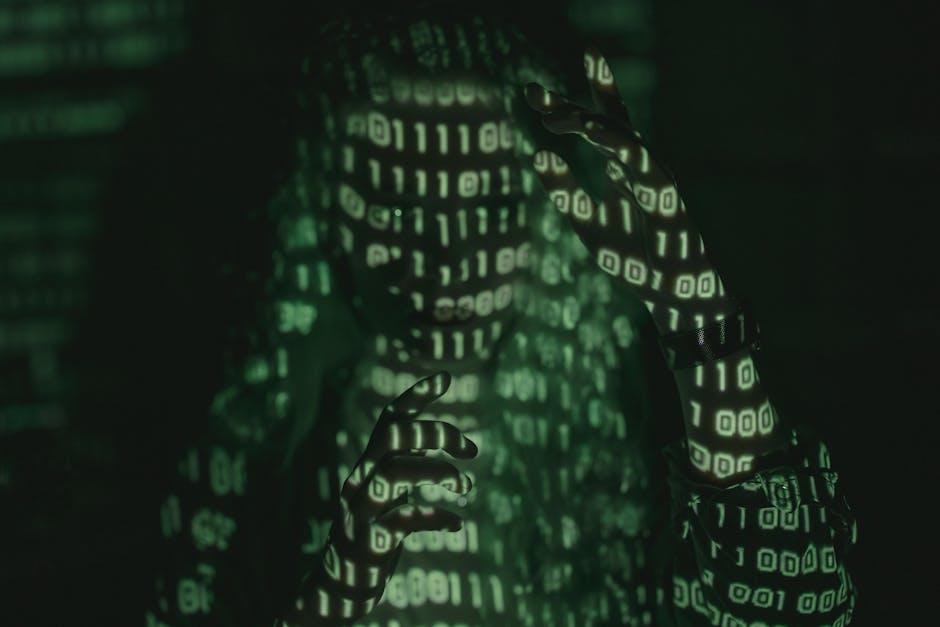
- Iconic Aesthetics: The film’s unique visual style, characterized by its green tint and dystopian design, continues to influence the aesthetic choices of modern sci-fi films.
As technology evolves, the influence of The Matrix remains a guiding beacon for directors aiming to blend technical brilliance with narrative depth, inspiring a generation to envision the impossible and make it a reality on screen.