In an era where economic disparities continue to widen and the quest for social justice remains at the forefront of national discourse, John Steinbeck’s “The Grapes of Wrath” resonates with an undiminished vigor. This seminal work, first published in 1939, transcends its historical context to illuminate the enduring struggles of the American worker. Through its vivid portrayal of the Joad family’s relentless pursuit of dignity amidst adversity, Steinbeck crafts a narrative that is both a mirror and a map for contemporary society. By examining the novel’s themes of displacement, resilience, and solidarity, we can better understand why this classic continues to echo in the lives of workers today, offering insights into the challenges they face and the enduring fight for equity and justice.
Enduring Themes of Economic Hardship and Resilience
The narrative of The Grapes of Wrath profoundly captures the persistent economic struggles and the unyielding spirit of those who endure them. Steinbeck’s portrayal of the Joad family’s journey during the Great Depression resonates with the modern reader because it mirrors ongoing challenges faced by the American worker. The novel highlights themes such as:
- Displacement and Migration: As the Joads are forced off their land, their plight echoes the contemporary issues of job displacement and the search for economic stability.
- Exploitation and Inequality: The stark contrast between the wealthy landowners and impoverished workers underscores ongoing discussions about income inequality and labor rights.
Amidst these hardships, the novel showcases resilience as a defining trait of the American spirit. The characters’ determination to survive and support each other in the face of adversity is a testament to human strength. This resilience is not just a relic of the past but a continuing force, inspiring today’s workers to persevere through economic challenges.

Parallels Between the Great Depression and Modern Labor Challenges
The economic upheaval of the Great Depression and today’s labor challenges reveal striking similarities, highlighting the enduring relevance of Steinbeck’s “The Grapes of Wrath.” Economic instability then and now has led to widespread job insecurity, forcing workers into precarious employment situations. During the 1930s, the Dust Bowl migrants faced exploitation and uncertainty, paralleling the modern gig economy’s lack of stability and benefits. Both eras underscore a systemic vulnerability where workers bear the brunt of economic downturns.
Moreover, social and political dynamics have remained consistent. Then, as now, there was a growing divide between the wealthy elite and the struggling masses, fostering resentment and calls for change. Key parallels include:
- Wage stagnation amid rising costs of living
- Migration and displacement in search of better opportunities
- Union movements striving for workers’ rights and protections
These issues, vividly depicted in Steinbeck’s narrative, continue to resonate, serving as a powerful reminder of the ongoing struggle for dignity and justice in the workplace.
Social Injustice and the Fight for Workers’ Rights
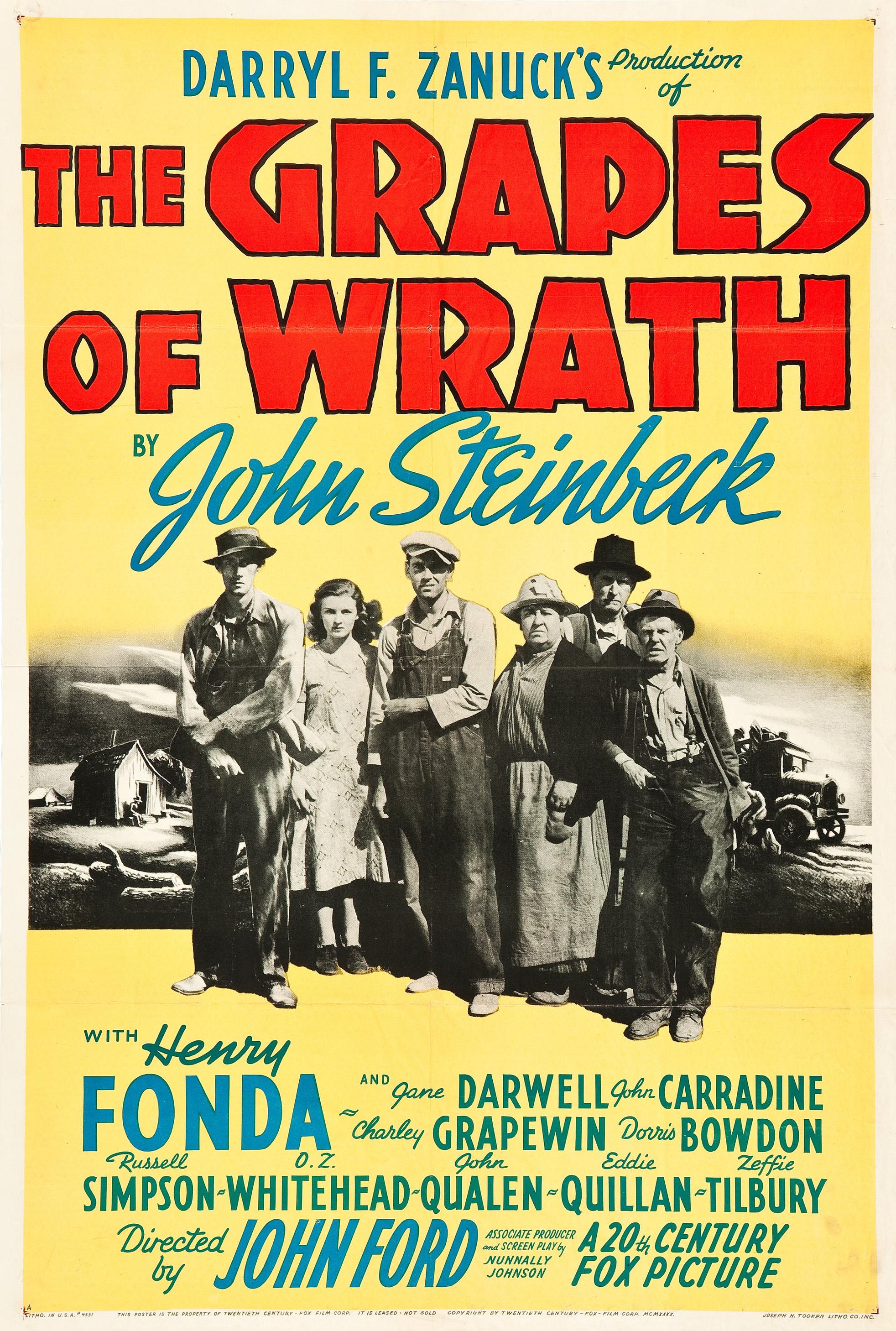
John Steinbeck’s masterpiece resonates profoundly with today’s labor landscape, as it captures the enduring struggle against economic exploitation and social inequality. The novel’s depiction of the Dust Bowl migrants’ plight highlights the relentless pursuit of dignity in a world that seems indifferent to their suffering. This is not just a tale of the past; it mirrors the ongoing battles faced by workers in industries plagued by unfair wages, unsafe conditions, and lack of job security.
In contemporary America, the echoes of Steinbeck’s narrative are evident in the ongoing efforts to secure workers’ rights. Consider the following parallels:
- Exploitation: Like the migrant workers, many employees today face exploitative practices, from unpaid overtime to precarious gig economy roles.
- Solidarity: The unity among the Joad family mirrors modern movements advocating for collective bargaining and unionization.
- Resistance: Just as the characters resist dehumanizing forces, today’s workers organize strikes and protests to demand justice.
The Grapes of Wrath remains a clarion call for empathy and action, urging society to confront and rectify the systemic injustices that continue to oppress the American worker.

Empowering Todays Workforce Through Steinbeck’s Lessons
John Steinbeck’s The Grapes of Wrath offers profound insights into the resilience and solidarity required to navigate the complexities of today’s workforce. The novel’s depiction of the Joad family’s struggle against economic despair mirrors the challenges faced by modern workers, emphasizing the importance of collective action and adaptability. As the Joads grapple with displacement and financial uncertainty, they exemplify traits essential for contemporary laborers:
- Community Building: Steinbeck illustrates how forging strong communal bonds can provide support and strength in times of adversity.
- Adaptability: The need to adapt to changing circumstances is a timeless lesson, encouraging today’s workers to remain flexible and open to new opportunities.
- Advocacy for Rights: The fight for fair treatment and justice in the novel echoes the ongoing struggle for labor rights, reminding us of the power of persistence and unity.
By reflecting on these enduring lessons, workers can draw inspiration from Steinbeck’s narrative to advocate for fair practices and empower themselves within an ever-evolving economic landscape.