In the realm of historical dramas, few elements captivate audiences as profoundly as the intricate costume designs that transport viewers to bygone eras. Series like “Downton Abbey” exemplify this art, weaving a tapestry of fabric and fashion that serves not only as a visual feast but also as a narrative device, enriching the storyline and deepening character development. This article delves into the meticulous process of costume design in historical dramas, examining how designers balance authenticity with creativity to evoke a specific period while supporting the narrative arc. By analyzing the nuanced choices behind each garment, we uncover the pivotal role of costume design in crafting the immersive worlds that define series such as “Downton Abbey.”
Understanding Period Accuracy and Creative Interpretation
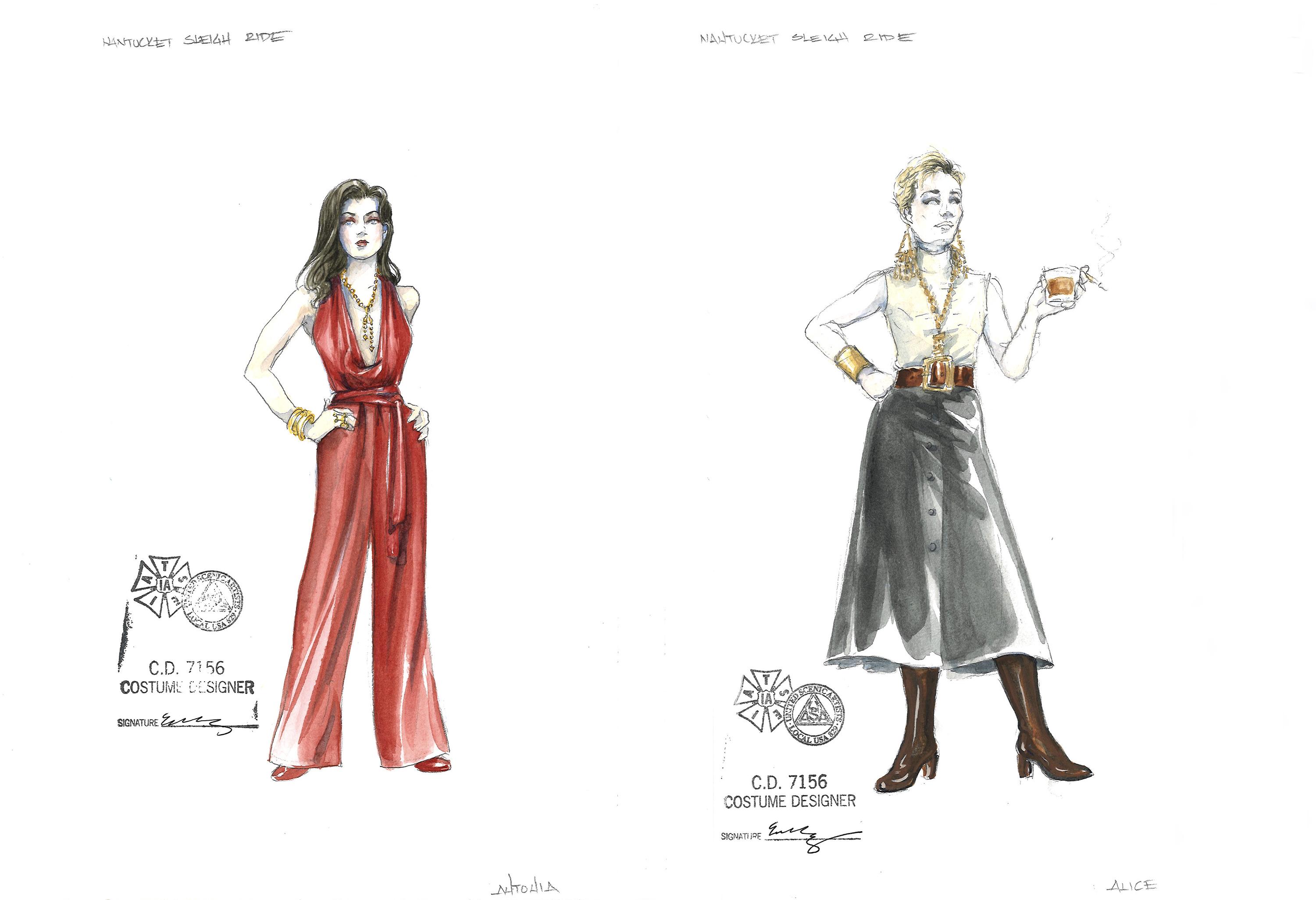
When delving into the world of historical dramas, costume designers walk a fine line between period accuracy and creative interpretation. In productions like Downton Abbey, designers must balance the historical authenticity of early 20th-century fashion with the narrative’s aesthetic needs. This requires a deep understanding of the era’s sartorial nuances, from fabric choices to the intricacies of tailoring, while also allowing room for artistic expression to enhance character development.
To achieve this balance, designers often consider several key factors:
- Historical Context: Researching the socio-economic and cultural backdrop of the time to ensure authenticity.
- Character Evolution: Using clothing as a tool to reflect character growth and personal stories.
- Visual Storytelling: Employing color palettes and styles that align with the show’s visual and thematic goals.
This blend of historical fidelity and artistic license ensures that costumes not only fit the period but also contribute to the rich tapestry of storytelling that captivates audiences worldwide.
The Role of Fabric and Texture in Evoking Authenticity
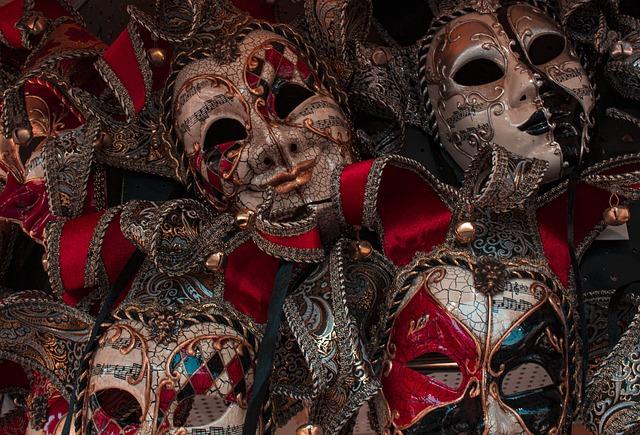
The tactile experience of fabric and texture is pivotal in crafting a believable world within historical dramas. Costume designers meticulously select materials that resonate with the era’s socio-economic nuances, enhancing the narrative’s authenticity. In a series like Downton Abbey, where the class distinctions are stark, fabric choices become a silent yet powerful storyteller. The luxurious silks and velvets of the Crawley family contrast sharply with the durable wools and cottons of the household staff, visually reinforcing societal hierarchies.
Texture also plays a crucial role in reflecting character development and emotional depth. Consider the following aspects:
- Layering Techniques: Layers of lace and embroidery convey opulence and sophistication, while simple, unadorned fabrics suggest practicality and modesty.
- Wear and Tear: Subtle signs of wear can illustrate a character’s struggles or resilience, adding depth to their portrayal.
- Fabric Movement: The way a fabric drapes or flows can signify elegance or constraint, aligning with a character’s journey.
By weaving these elements into the visual tapestry, designers ensure that the costumes do more than clothe the actors; they become integral to storytelling, evoking an era with unparalleled authenticity.
Balancing Character Development with Historical Detail
In crafting the visual tapestry of a historical drama, the challenge lies in harmonizing character development with authentic historical detail. Costume design plays a pivotal role in this delicate balance, as seen in acclaimed series like Downton Abbey. Designers meticulously research the era to ensure that each piece of clothing not only reflects the period but also serves as a narrative device that deepens the audience’s understanding of the characters.
- Reflecting Personality: Each character’s wardrobe is tailored to reflect their unique personality, social status, and personal journey. For instance, Lady Mary’s sophisticated attire contrasts with the more understated garments of the downstairs staff, highlighting the class distinctions central to the series’ themes.
- Symbolizing Transformation: Costume changes often symbolize character growth or shifts in storyline. As characters evolve, their attire subtly shifts, mirroring their inner transformations and the changing societal norms of the time.
Through these deliberate choices, costume design in historical dramas not only brings authenticity to the setting but also enriches the storytelling by providing visual cues that enhance character arcs and thematic depth.
Practical Tips for Aspiring Costume Designers in Historical Productions
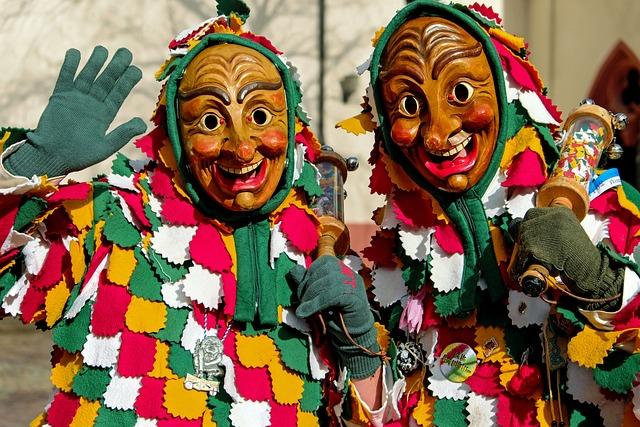
Embarking on the journey of designing costumes for historical dramas requires a keen eye for detail and a deep understanding of the era you’re representing. Start by immersing yourself in the period through extensive research. Dive into historical texts, paintings, and photographs to grasp the nuances of fashion from that time. Analyze the social, political, and cultural context as these elements often influence clothing styles and materials.
When it comes to sourcing materials, authenticity is key. Consider the following practical tips:
- Fabric Choices: Opt for materials that were prevalent in the era, such as wool, silk, or linen. Avoid modern synthetic fabrics unless they closely mimic historical textiles.
- Color Palette: Stick to colors that were achievable with the dyes available at the time. Natural tones and muted shades often work best.
- Attention to Detail: Incorporate period-specific embellishments like lace, embroidery, and buttons that reflect the craftsmanship of the time.
- Collaboration: Work closely with directors and actors to ensure costumes not only look authentic but also support the narrative and character development.
By adhering to these guidelines, you can create visually stunning and historically accurate costumes that captivate audiences and bring the past to life.