In the realm of modern cinema, where digital wizardry often dominates, “1917” emerges as a masterclass in harnessing the power of practical effects to elevate realism. Directed by Sam Mendes, this World War I epic transcends conventional storytelling through its immersive, continuous-shot technique, meticulously crafted with tangible elements that draw audiences into the visceral chaos of the battlefield. By prioritizing authentic, on-set effects over digital shortcuts, “1917” not only redefines the war film genre but also reaffirms the enduring impact of practical artistry in creating a cinematic experience that is both profoundly real and emotionally resonant. This article delves into the intricate tapestry of practical effects that underpin the film’s success, exploring how they serve as the unsung heroes behind its breathtaking authenticity.
Crafting Authentic Trenches: The Art of Realistic Set Design
The film 1917 captivated audiences with its astonishingly realistic depiction of World War I, thanks in large part to its meticulously crafted trenches. The set designers faced the formidable task of replicating the harsh conditions of wartime Europe, ensuring that every detail contributed to the film’s authenticity. By leveraging practical effects over CGI, the production team created an immersive environment that allowed actors to perform with genuine emotion, directly influenced by their surroundings.
- Material Selection: Authentic materials like mud, timber, and sandbags were used to construct the trenches, providing a tactile reality that CGI could not replicate.
- Environmental Effects: Real rain and controlled explosions were employed to heighten the sensory experience, grounding the narrative in a palpable reality.
- Lighting Techniques: The use of natural and period-appropriate lighting enhanced the visual authenticity, creating a seamless blend between the set and the story.
By focusing on these practical elements, the team behind 1917 achieved a level of realism that transported viewers to the front lines, blurring the line between cinema and history.

Mastering Lighting Techniques: Enhancing Immersion with Natural Effects
In “1917,” the seamless blend of practical lighting techniques and natural effects plays a crucial role in immersing the audience into the visceral reality of World War I. The film’s commitment to authenticity is evident in its reliance on real-world elements rather than digital enhancements. Director Sam Mendes and cinematographer Roger Deakins crafted a visual narrative where the interplay of light and shadow intensifies the emotional depth and tension of each scene.
- Natural Light Utilization: The filmmakers prioritized shooting with available daylight, enhancing the film’s realism. The overcast skies and diffused sunlight create a somber tone that mirrors the soldiers’ journey.
- Practical Effects: Techniques such as using flares and explosions to light scenes dynamically helped maintain continuity and authenticity. These elements provided an unpredictable yet organic light source that digital effects often struggle to replicate.
By harnessing the unpredictable nature of natural light and incorporating it with meticulously planned practical effects, the film achieves a hauntingly immersive experience. The commitment to authenticity not only elevates the visual storytelling but also deepens the emotional resonance, making “1917” a standout in cinematic realism.
Innovative Camera Work: Creating Seamless Long Takes
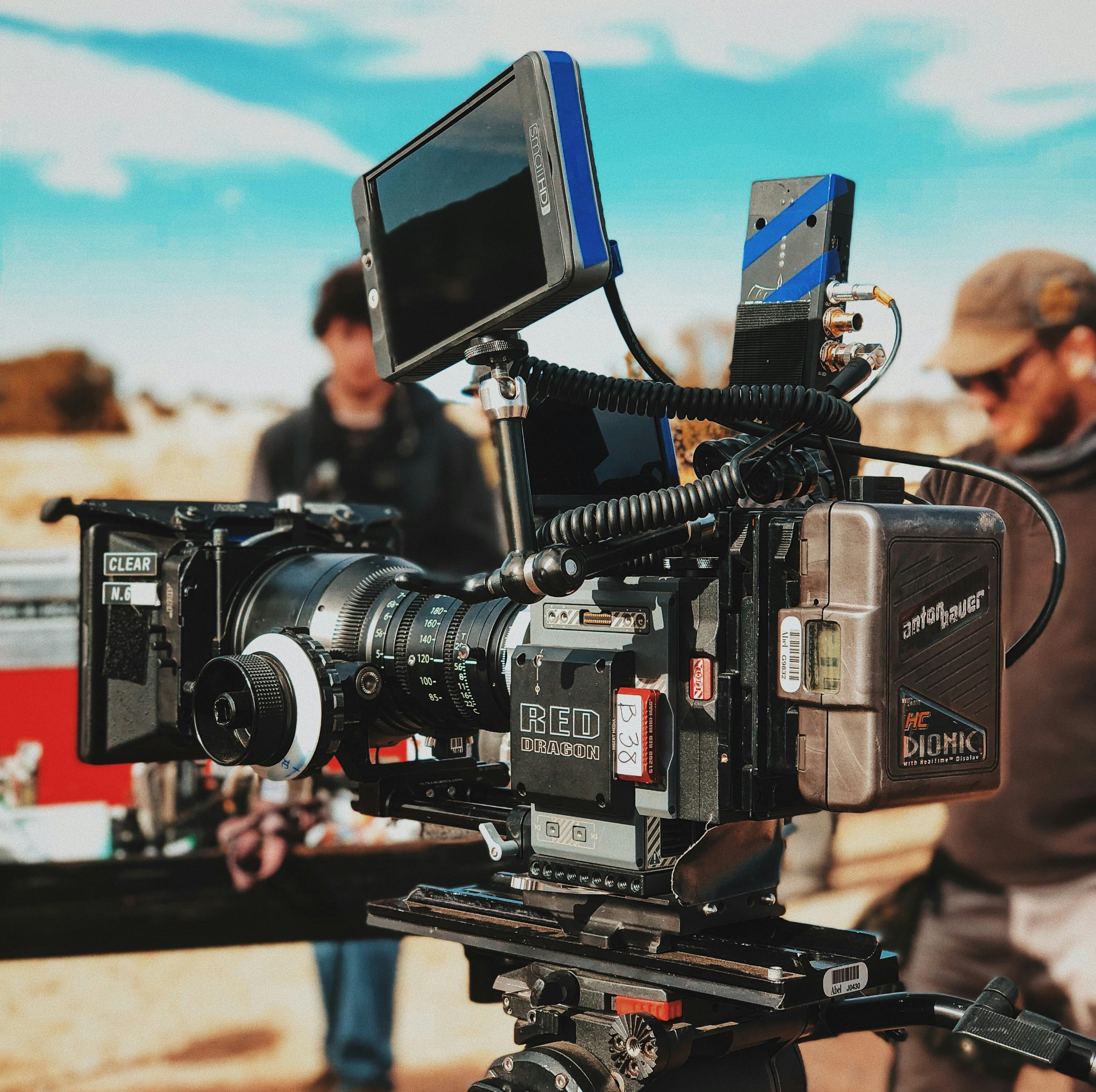
The film “1917” stands out for its bold use of innovative camera work, crafting an illusion of a single continuous shot that immerses viewers in the relentless journey of its protagonists. This ambitious approach required meticulous planning and execution, blending practical effects with cutting-edge technology. By strategically choreographing movements and transitions, the filmmakers achieved seamless long takes that enhanced the narrative’s intensity and realism.
Key techniques included:
- Hidden Cuts: Cleverly disguised transitions within camera movements or behind objects to maintain the illusion of continuity.
- Dynamic Camera Rigs: Custom rigs allowed for fluid, uninterrupted motion, adapting to the film’s varied landscapes.
- Natural Lighting: Extensive use of natural light to preserve authenticity and maintain visual consistency.
These techniques not only captivated audiences but also set a new standard for storytelling through visual innovation, proving that practical effects can significantly elevate cinematic realism.

Utilizing Soundscapes: Elevating Realism Through Audio Precision
In the film 1917, the auditory landscape plays a crucial role in immersing viewers into the visceral experience of World War I. Soundscapes meticulously crafted by the audio team elevate the realism by capturing the nuanced symphony of war. Each sound, from the distant rumble of artillery to the intimate crunch of footsteps on debris, is carefully layered to enhance the authenticity of the film’s continuous shot narrative.
- Environmental Detail: The sound design reflects the varying terrains the protagonists traverse, from the eerie silence of no man’s land to the cacophony of bustling trenches.
- Emotional Resonance: Subtle audio cues, like the haunting echoes of a soldier’s voice or the tension-filled silence before an explosion, create emotional depth and tension.
By employing audio precision, the filmmakers ensure that the audience is not just watching the story unfold but experiencing it firsthand, bridging the gap between the screen and reality.