In the realm of cinematic legends, few directors command the reverence that Martin Scorsese does. With “The Irishman,” Scorsese embarks on an ambitious journey through the labyrinth of organized crime, reuniting with stalwarts like Robert De Niro, Al Pacino, and Joe Pesci. The film, heralded as a magnum opus before its release, promised a masterful blend of storytelling, innovation, and nostalgia. But does “The Irishman” truly deliver on the monumental expectations set by its pedigree? This article delves into the intricate layers of Scorsese’s epic, dissecting its narrative prowess, thematic depth, and cinematic execution to determine whether it lives up to the towering hype.
Understanding the Narrative: A Deep Dive into Storytelling Techniques
Martin Scorsese’s “The Irishman” offers a masterclass in storytelling, weaving a complex narrative through its use of non-linear timelines and character-driven exposition. The film intricately explores the themes of loyalty, betrayal, and the inexorable passage of time, inviting audiences to delve deep into the psyche of its protagonist, Frank Sheeran. By employing a layered narrative structure, Scorsese not only captivates the audience but also challenges them to piece together the fragmented timeline, creating a more engaging and immersive experience.
Key storytelling techniques used in the film include:
- De-aging technology: This allows characters to exist across different eras, emphasizing the long-term impact of their choices.
- Inner monologue: Provides intimate access to Frank’s thoughts, offering insights into his motivations and moral conflicts.
- Symbolic imagery: Scorsese uses recurring visual motifs to reinforce themes and character arcs, such as the ever-present ticking of clocks.
Through these techniques, “The Irishman” transcends traditional gangster narratives, becoming a poignant meditation on time and consequence.

The Power of Performance: Analyzing the Cast’s Impact
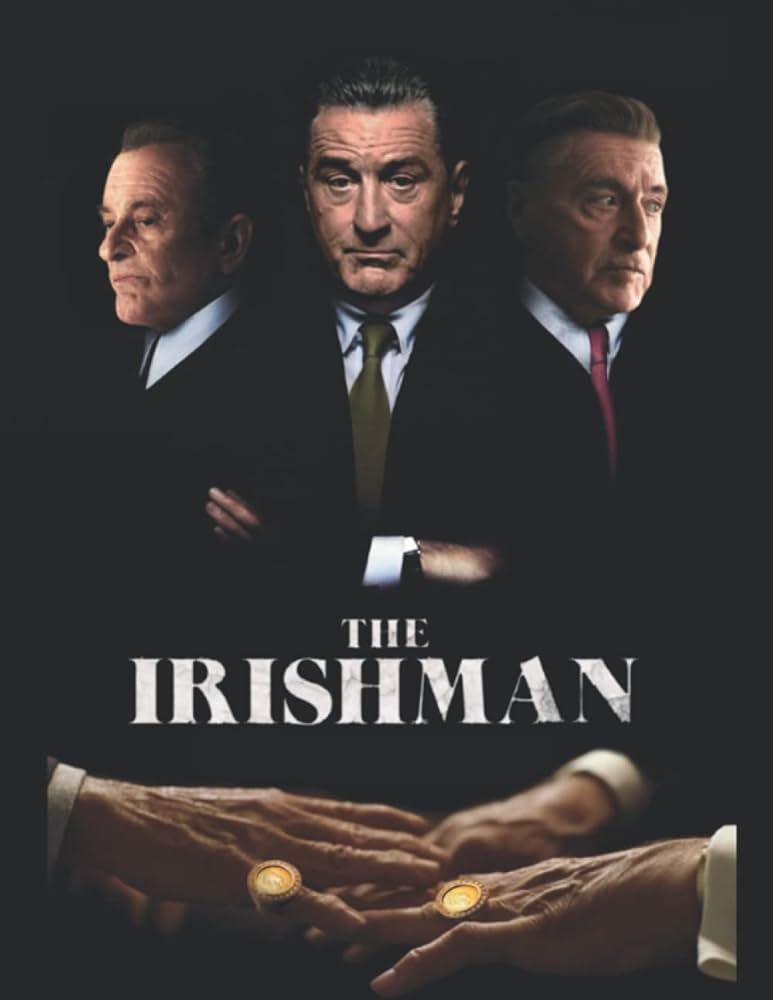
The heart of The Irishman lies in its extraordinary cast, a powerhouse ensemble that brings life to Scorsese’s ambitious narrative. Robert De Niro, Al Pacino, and Joe Pesci deliver performances that are not only commanding but also deeply nuanced. Each actor brings a unique gravitas to their roles, creating a tapestry of complex characters that resonate with authenticity. De Niro’s portrayal of Frank Sheeran is both haunting and human, capturing the essence of a man caught in the tides of history.
- De Niro’s Subtlety: His performance is a masterclass in restraint, conveying profound emotion with the slightest gestures.
- Pacino’s Charisma: As Jimmy Hoffa, Pacino exudes a magnetic energy that is both captivating and volatile.
- Pesci’s Transformation: Pesci, stepping away from his usual explosive roles, offers a quietly powerful portrayal of Russell Bufalino, marked by understated menace.
The synergy between these legendary actors elevates the film, transforming it into a compelling exploration of loyalty, power, and regret. It’s a testament to the cast’s impact that each scene feels both epic and intimate, leaving a lasting impression on the audience.
Cinematic Craftsmanship: Examining Scorsese’s Direction
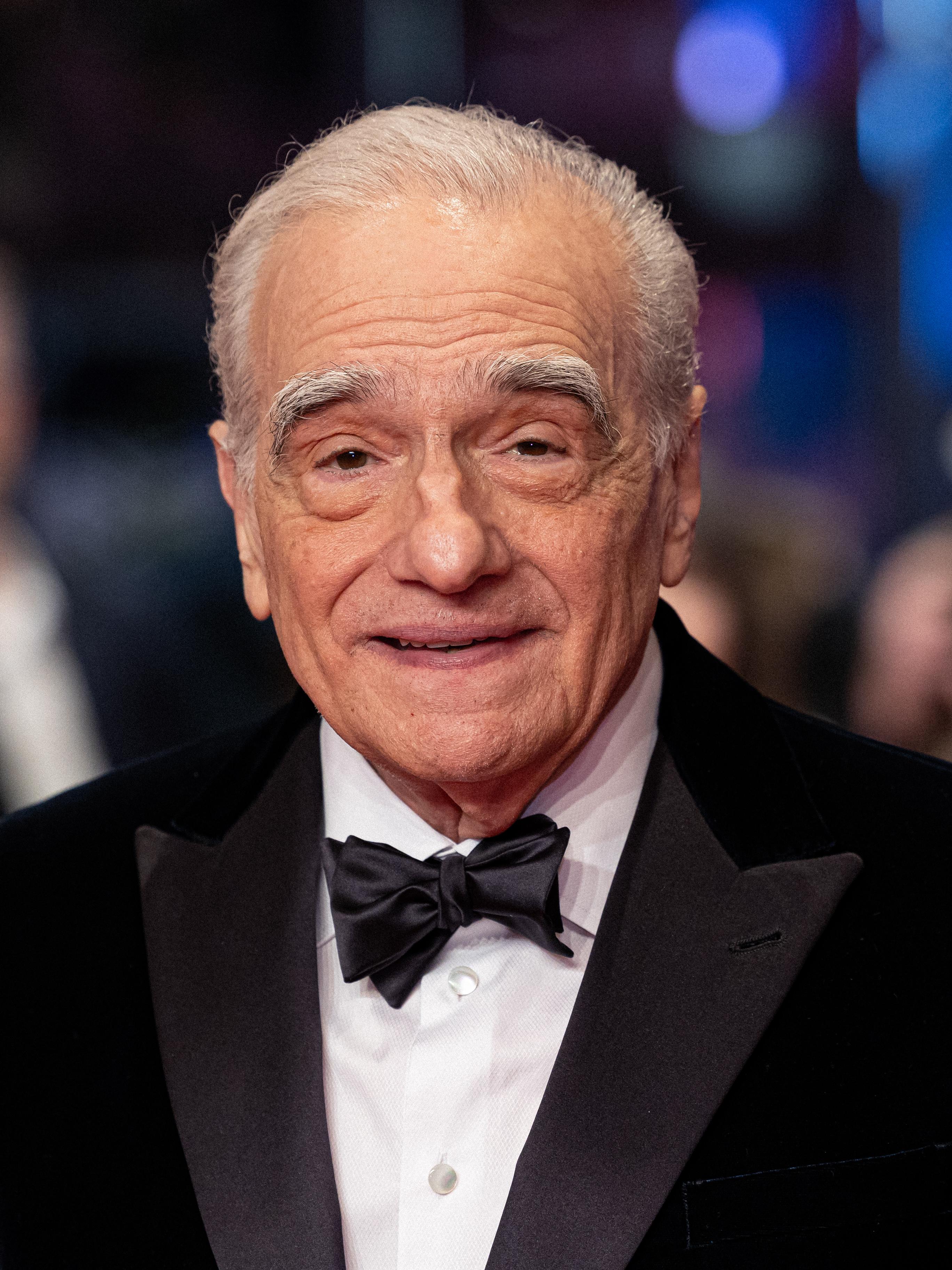
Martin Scorsese‘s directorial prowess in The Irishman is a masterclass in cinematic storytelling, weaving together a tapestry of complex characters and intricate narratives. His ability to breathe life into historical events with meticulous attention to detail is evident through every frame. Scorsese’s direction showcases a seamless blend of traditional filmmaking techniques with modern technology, such as the much-discussed de-aging effects that allow actors to traverse decades effortlessly.
- Character Depth: Scorsese’s nuanced approach ensures that each character, from Frank Sheeran to Jimmy Hoffa, is fleshed out with compelling depth and authenticity.
- Pacing and Rhythm: Despite its lengthy runtime, the film maintains a gripping pace, balancing tension and introspection.
- Visual Storytelling: The director’s use of visual motifs and symbolism enriches the narrative, adding layers of meaning to the epic saga.
Scorsese’s direction in The Irishman is not just about recounting a story but immersing the audience in an era, a world crafted with precision and passion. This film stands as a testament to his enduring legacy in cinema, proving once again why he remains a venerated figure in the industry.
Cultural Reflections: The Film’s Place in Modern Cinema
- Genre Reinvention: “The Irishman” positions itself as a monumental exploration of the crime genre, deviating from the fast-paced, adrenaline-fueled narratives typical of modern gangster films. Scorsese opts for a more reflective, almost meditative approach, emphasizing the passage of time and the weight of decisions.
- Technological Innovation: The use of groundbreaking de-aging technology challenges traditional storytelling methods, sparking discussions about authenticity and performance. This innovation raises questions about the future of cinema, as it blurs the lines between actor and character, youth and age.
In the landscape of modern cinema, “The Irishman” stands as a testament to Scorsese’s ability to adapt and innovate while remaining rooted in classic storytelling. By intertwining themes of loyalty, betrayal, and the inexorable march of time, the film resonates with contemporary audiences who grapple with similar existential dilemmas. The narrative’s deliberate pacing and intricate character development offer a stark contrast to the current trend of rapid plot progression, inviting viewers to engage deeply with the material. In doing so, Scorsese not only reaffirms his mastery but also redefines the expectations of what epic storytelling can achieve in the digital age.