In the realm of cinematic achievements, few endeavors have matched the sheer ambition and intricate craftsmanship of Peter Jackson‘s “The Lord of the Rings” trilogy. As audiences worldwide were transported to the richly detailed landscapes of Middle-earth, the monumental task of bringing J.R.R. Tolkien’s epic vision to life unfolded behind the scenes. This article delves into the production intricacies that shaped these iconic films, examining the innovative techniques, collaborative artistry, and relentless dedication that converged to redefine the boundaries of modern filmmaking. From the sprawling vistas of New Zealand to the meticulous creation of fantastical creatures, we explore how this groundbreaking project became a benchmark in the art of cinematic storytelling.
Crafting the Visual Aesthetic: The Artistry Behind Middle-earth
The transformation of J.R.R. Tolkien’s literary masterpiece into a cinematic marvel hinged on the meticulous crafting of its visual aesthetic. The landscapes of Middle-earth, from the verdant expanses of the Shire to the foreboding shadows of Mordor, were brought to life through a combination of groundbreaking techniques and artistic vision. The production team, led by director Peter Jackson, employed a blend of miniature sets, CGI enhancements, and on-location shooting to create an immersive world that felt both fantastical and tangible.
- Miniature Sets: Known as “bigatures,” these highly detailed models of cities like Minas Tirith and Helm’s Deep provided a tangible realism that CGI alone could not achieve.
- Costume Design: Every piece of clothing was crafted with historical authenticity in mind, using materials that added depth and texture to the characters.
- Concept Art: Visionaries like Alan Lee and John Howe were instrumental in defining the visual tone, drawing on their deep understanding of Tolkien’s world.
By weaving these elements together, the production team ensured that Middle-earth was not just seen, but felt, inviting audiences to step into a world as richly detailed as Tolkien had imagined.
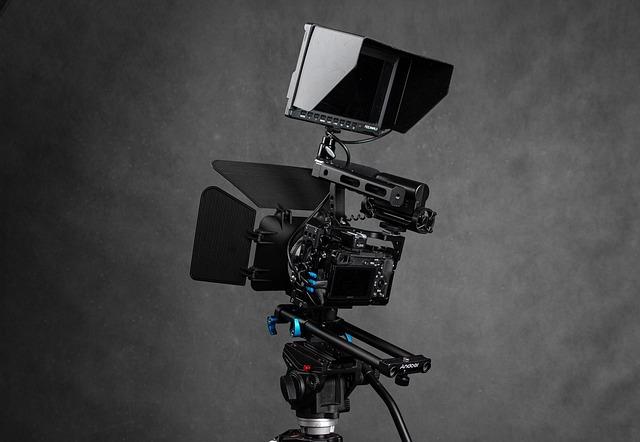
Innovative Techniques in Cinematography: Bringing Tolkien’s World to Life
In crafting the visual tapestry of Middle-earth, the filmmakers employed a suite of groundbreaking techniques that redefined cinematic storytelling. One of the most remarkable innovations was the use of forced perspective. This technique cleverly manipulated scale, allowing actors to appear significantly larger or smaller than their co-stars without relying heavily on digital effects. For instance, by meticulously positioning the camera and set pieces, filmmakers created the illusion of hobbits standing beside towering humans, enhancing the authenticity of Tolkien’s world.
Another key innovation was the deployment of miniatures and bigatures. These intricately detailed models, some towering over 20 feet, were used to represent iconic locations such as Minas Tirith and Orthanc. By filming these structures with precise camera movements, the production team achieved sweeping vistas that felt both grand and tangible. Additionally, digital compositing was seamlessly integrated with these practical effects, blending the real and the imagined. This hybrid approach not only honored the source material but also set a new benchmark in the fantasy genre.
- Forced Perspective: Creating scale illusions without CGI.
- Miniatures and Bigatures: Detailed models for realistic settings.
- Digital Compositing: Blending practical and digital elements.

The Role of Practical Effects: Balancing Tradition with Technology
In the production of “The Lord of the Rings,” the integration of practical effects played a crucial role in bringing the rich landscapes and intricate details of Middle-earth to life. While digital effects were undeniably groundbreaking, the filmmakers’ commitment to practical craftsmanship provided a tangible authenticity that resonated with audiences. Miniature sets, affectionately known as “bigatures,” were meticulously constructed to create iconic locations like Minas Tirith and Helm’s Deep. These models allowed for a level of detail and realism that digital effects alone could not achieve, adding depth and texture to the visual storytelling.
The use of practical effects was not just about tradition but also about enhancing the digital artistry. Prosthetics and makeup transformed actors into fantastical creatures, bridging the gap between the real and the imaginary. Handcrafted costumes and armor brought a tactile authenticity to the characters, grounding the fantasy elements in a believable reality. This harmonious blend of tradition and technology not only honored the legacy of classic filmmaking but also pushed the boundaries of what was visually possible, creating an immersive experience that continues to captivate viewers.

Mastering Soundscapes: The Intricacies of Audio Design in Middle-earth
The audio design of Middle-earth in The Lord of the Rings is a masterclass in immersive soundscaping, transforming J.R.R. Tolkien’s rich literary world into a vivid auditory experience. The intricate layering of sound elements creates an atmosphere where every footstep, whisper, and battle cry resonates with authenticity. The sound designers employed a variety of techniques to achieve this, from recording natural environments to creating synthetic sounds that evoke the fantastical elements of the narrative.
- Environmental Sounds: Capturing the essence of Middle-earth’s diverse landscapes, from the serene forests of Lothlórien to the ominous echoes of Mordor.
- Character Signatures: Developing unique sound profiles for each character, enhancing their presence and emotional depth.
- Mythical Creatures: Crafting otherworldly sounds for creatures like the Balrog and Nazgûl, blending animalistic roars with digital manipulation.
- Battle Sequences: Layering complex soundscapes to heighten the intensity and chaos of epic battles, balancing the clamor of weapons with the orchestral score.
By meticulously orchestrating these elements, the audio team ensured that every scene in Middle-earth is not just seen, but truly felt, immersing audiences in a world where sound becomes a pivotal storyteller.